How Do Soil Moisture Meters Work? A Detailed Explanation
Understanding Soil Moisture Meters
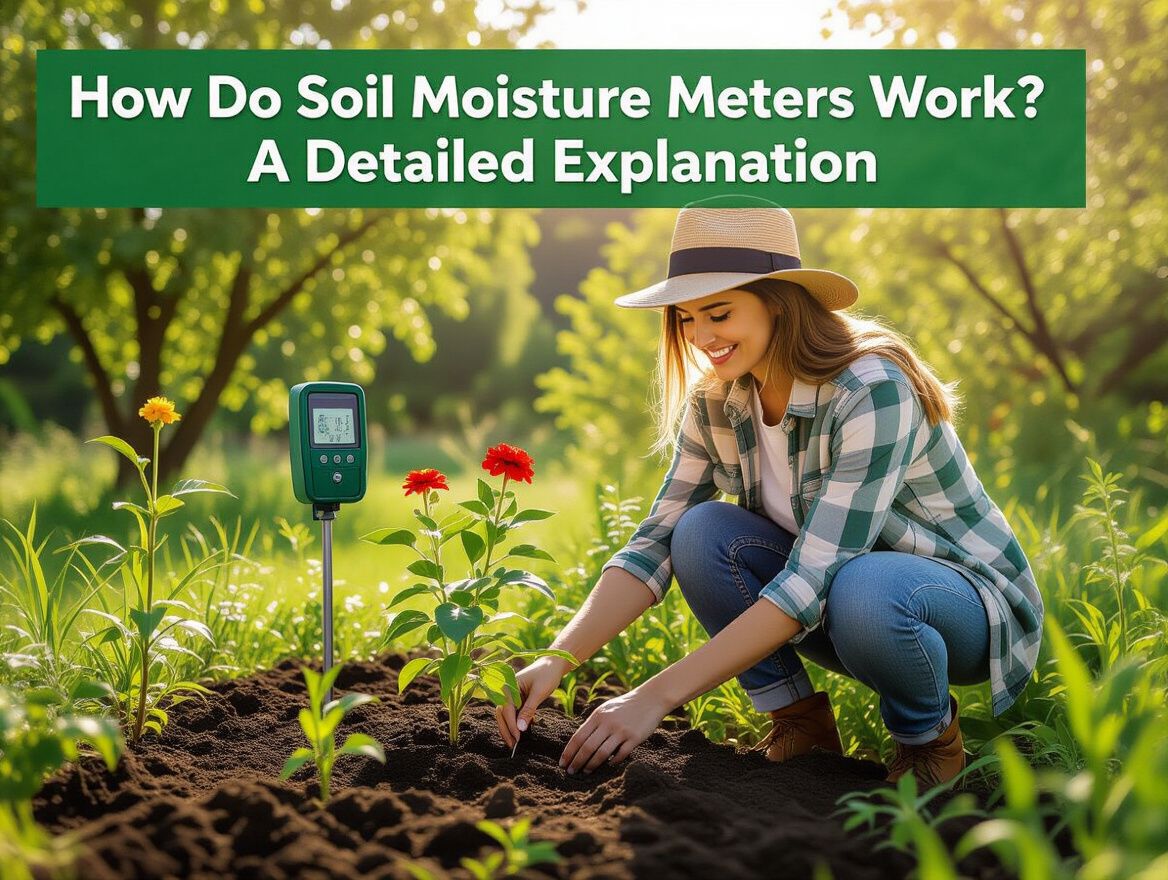
Soil moisture meters are essential tools designed to measure the moisture content in soil, helping gardeners and homeowners optimize their plant care. These devices are particularly important for ensuring that plants receive the right amount of water, which can significantly impact their health and growth.
Purpose and Benefits in Gardening
- Water Management: By providing accurate moisture readings, soil moisture meters help prevent overwatering or underwatering, both of which can harm plants.
- Improved Plant Health: Understanding soil moisture levels allows gardeners to create a more stable environment for their plants, promoting healthier growth and reducing stress.
- Time Efficiency: With real-time data on soil moisture, gardeners can save time by watering only when necessary, rather than following a fixed schedule.
- Resource Conservation: Using a moisture meter can lead to more efficient water usage, which is beneficial for both the environment and household budgets.
Investing in a soil moisture meter can enhance gardening practices by enabling informed decisions based on accurate data. This technology not only supports better plant care but also encourages sustainable gardening habits.
How Soil Moisture Meters Work
Soil moisture meters are essential tools for gardeners looking to optimize their plant care. Understanding how these devices operate can significantly enhance your gardening practices. Here, we delve into the different types of soil moisture meters and the basic principles that govern their functionality.
Types of Soil Moisture Meters
-
Electrical Resistance Meters:
- Measure moisture levels based on the electrical conductivity of the soil.
- As moisture increases, conductivity improves, allowing for more accurate readings.
-
Capacitance Meters:
- Utilize dielectric properties of water to gauge moisture levels.
- These devices send an electromagnetic field into the soil and measure the change in capacitance, which correlates with moisture content.
-
Tensiometers:
- Measure the tension of water in the soil.
- They contain a water-filled tube with a porous ceramic tip that indicates how hard plants must work to extract moisture.
Basic Principles of Operation
-
Electrical Resistance:
- In resistance meters, two probes are inserted into the soil. The meter sends a small electrical current between the probes. The resistance to this current changes with moisture levels; higher moisture leads to lower resistance, resulting in a higher reading.
-
Capacitance:
- Capacitance meters work on the principle that water has a high dielectric constant. When the soil is moister, it affects the capacitance between the probes. The meter interprets these changes to provide a moisture reading.
Trade-offs and Considerations
-
Accuracy:
- Capacitance meters are generally more accurate than resistance meters, especially in varied soil types.
-
Soil Type Compatibility:
- Resistance meters can be affected by soil salinity, while capacitance meters can work more effectively across different soil types.
-
Maintenance:
- Tensiometers often require regular maintenance and calibration, while other types may be more user-friendly.
Risks and Limitations
-
Calibration Needs:
- Some meters require calibration for accurate results, which can be a downside for casual users.
-
Environmental Factors:
- Factors like soil temperature and salinity can impact readings, especially for electrical resistance meters.
By understanding these mechanisms and considerations, gardeners can make informed decisions when choosing soil moisture meters that best fit their gardening needs. Whether you prioritize accuracy, ease of use, or specific soil compatibility, knowing how these devices work will help you optimize plant care effectively.
Key Features to Consider
When selecting a soil moisture meter, understanding its core features is essential for optimizing your gardening practices. Here are the key aspects to evaluate:
-
Measurement Range: Check the moisture range the meter can measure. A wider range allows for more flexibility in different soil types, helping you determine when to water your plants effectively.
-
Calibration Requirements: Some soil moisture meters require calibration for accurate readings. Look for models that are easy to calibrate or come pre-calibrated to save time and ensure consistent results.
-
Durability and Weather Resistance: Since these devices will be used outdoors, consider their build quality. A durable, weather-resistant meter will withstand the elements, ensuring longevity and reliable performance over time.
By focusing on these features, you can choose a soil moisture meter that aligns with your gardening needs and enhances your plant care routine.
Understanding Trade-offs in Soil Moisture Meters
When selecting a soil moisture meter, gardeners must navigate various trade-offs that affect both performance and usability. Understanding these trade-offs can help you make informed decisions that align with your gardening needs.
Cost vs. Accuracy
- Lower-Cost Options: Typically offer basic functionality but may lack precision in readings. Ideal for casual gardeners who need a general idea of soil moisture.
- Higher-End Models: Often provide more accurate measurements and advanced features, such as multiple sensor readings. Suitable for serious gardeners or those with specific moisture management needs.
Ease of Use vs. Features
- Simple Meters: Designed for straightforward operation, making them perfect for beginners. They usually display moisture levels with a simple dial or light indicator.
- Feature-Rich Devices: May include additional functionalities such as pH testing or data logging. While these can enhance gardening practices, they may require more time to learn and operate effectively.
Battery-Operated vs. Manual
- Battery-Operated Meters: Offer convenience and portability, allowing you to use them anywhere in your garden. However, the need for battery replacements can be an ongoing cost.
- Manual Meters: Often more durable and require no batteries, making them cost-effective in the long run. However, they may demand more effort during use, as they often require manual insertion into the soil.
By weighing these trade-offs, you can select a soil moisture meter that best fits your gardening style, budget, and level of expertise. Understanding these factors will ultimately enhance your plant care practices and contribute to healthier gardening outcomes.
Potential Risks and Limitations
While soil moisture meters can significantly enhance gardening practices, it's essential to be aware of their potential risks and limitations to ensure effective usage.
-
Over-reliance on Technology: Gardeners may become overly dependent on moisture meters, neglecting other important indicators of plant health, such as leaf color, soil texture, and overall plant vigor. Relying solely on these devices can lead to inadequate care and misjudgments about watering needs.
-
Calibration Issues: Soil moisture meters require proper calibration for accurate readings. If a meter is not calibrated correctly, it may provide misleading data, causing either overwatering or underwatering. Regular checks and adjustments are necessary to maintain accuracy, which can be a time-consuming process.
-
Environmental Factors Affecting Readings: External conditions such as soil type, temperature, and salinity can influence moisture meter readings. For instance, compacted soil may retain moisture differently than loose soil, leading to discrepancies in measurements. Additionally, extreme weather conditions can affect soil moisture levels rapidly, making it challenging to rely on readings over time.
Understanding these risks helps gardeners make informed decisions about when and how to use soil moisture meters effectively, ensuring they complement rather than replace traditional gardening knowledge and practices.
Frequently Asked Questions
Understanding how soil moisture meters work can enhance your gardening practices, but you may have some common questions about their usage. Here are the answers to help you make informed decisions.
How often should I check soil moisture?
- Frequency of Checks: It’s generally recommended to check soil moisture once a week, but this can vary depending on factors like plant type, weather conditions, and soil composition.
- Seasonal Variations: During hotter months or periods of drought, you may need to check more frequently, while in cooler, wetter seasons, less frequent checks may suffice.
Can I use a moisture meter for all types of plants?
- Versatility: Most moisture meters can be used for various plants, but consider the specific moisture needs of each type. Some plants, like succulents, prefer drier soil, while others thrive in consistently moist conditions.
- Calibration: Ensure your meter is calibrated for the soil type and plant species you are monitoring, as different plants have unique moisture requirements.
What is the best way to interpret moisture readings?
- Understanding Readings: Familiarize yourself with the scale of your moisture meter, which often ranges from dry to wet.
- Contextual Interpretation: Always consider the specific moisture needs of your plants. A reading that indicates “moist” may be ideal for some plants but too wet for others.
- Follow-Up Actions: Use readings as a guide for watering. If the meter indicates dry, it’s time to water; if it’s wet, hold off to avoid overwatering.
By addressing these FAQs, you can better utilize soil moisture meters to optimize your gardening efforts.
Conclusion and Best Practices
Understanding how soil moisture meters work is crucial for enhancing gardening practices and ensuring optimal plant care. By accurately measuring soil moisture, these devices help prevent overwatering and underwatering, allowing for healthier plant growth and more efficient water use.
To effectively utilize a soil moisture meter, consider the following best practices:
-
Choose the Right Type: Depending on your gardening needs, select a meter that fits your soil type and moisture measurement preferences. Analog meters may provide simplicity, while digital options can offer more precise readings.
-
Regular Calibration: Ensure your meter is calibrated correctly, particularly if it’s used frequently or across different soil types. This helps maintain accuracy over time.
-
Monitor Consistently: Regularly check moisture levels, especially during changing weather conditions. This helps to adjust watering schedules and maintain optimal soil moisture levels.
-
Understand Soil Types: Different soils retain moisture differently. Familiarize yourself with the characteristics of the soil in your garden to make informed decisions based on the readings you obtain.
By following these practices, you can enhance your gardening results, making informed decisions that promote plant health while conserving resources.

More in Soil Moisture Meters
View All