Choosing the Right Moisture Meters for Your Soil
Understanding Soil Moisture and Its Importance
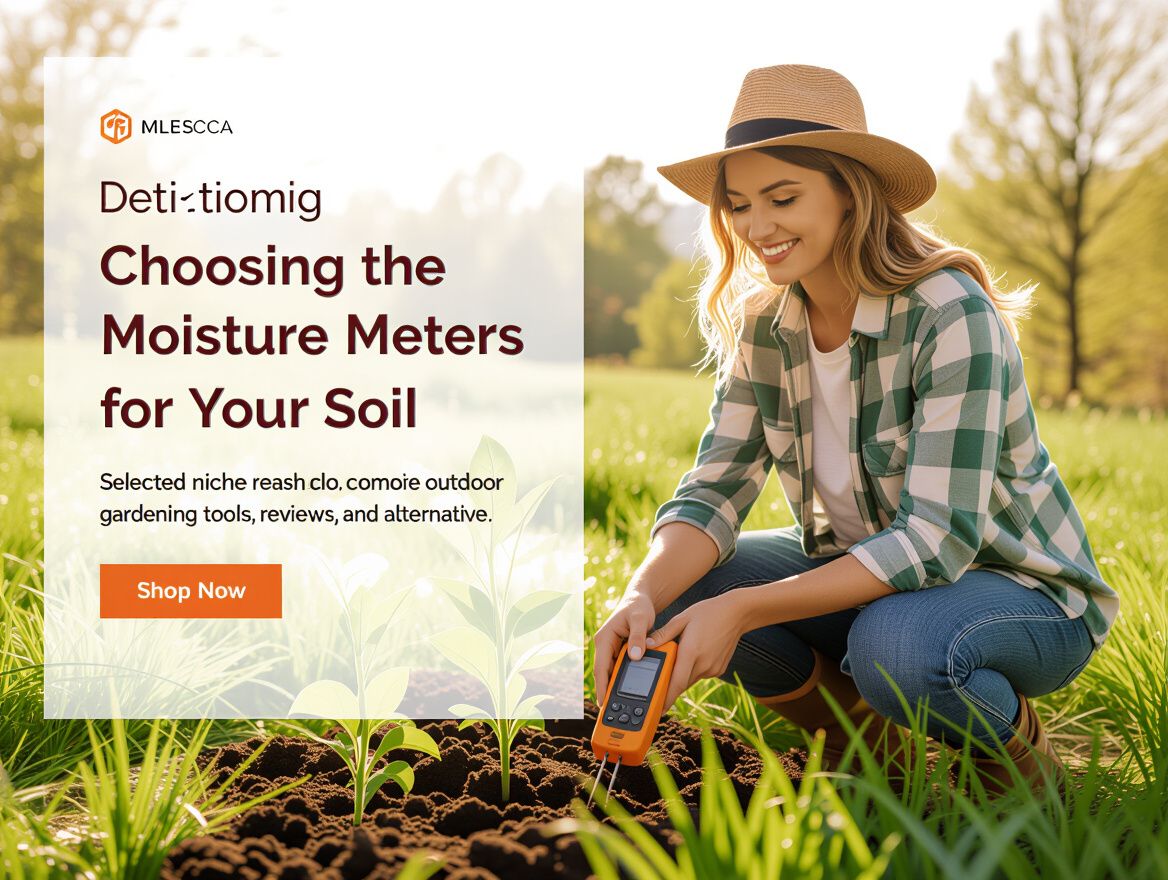
Soil moisture refers to the amount of water contained in the soil, which is crucial for plant growth and health. It is influenced by various factors including climate, soil type, and plant requirements. Measuring soil moisture helps gardeners ensure that plants receive the right amount of water, preventing issues such as overwatering or drought stress.
The importance of monitoring soil moisture cannot be overstated. Proper moisture levels can lead to:
- Optimal Plant Growth: Ensures plants have enough water for nutrient uptake and photosynthesis.
- Disease Prevention: Helps avoid root rot and other moisture-related diseases by preventing over-saturation.
- Water Conservation: Enables gardeners to use water more efficiently, reducing waste and promoting sustainable practices.
Moisture meters for soil are essential tools that assist in measuring the moisture content accurately. These devices typically operate using one of two methods:
- Analog Meters: Often simpler and battery-free, they provide a quick visual indication of moisture levels.
- Digital Meters: Offer more precise readings and often include additional features such as temperature measurement and data logging.
By understanding soil moisture and utilizing moisture meters effectively, gardeners can make informed decisions that enhance their gardening practices and promote healthy plant growth.
Key Features to Look for in Moisture Meters
When selecting moisture meters for soil, understanding the key features can significantly enhance your gardening experience. Here’s a checklist of essential attributes to consider:
-
Measurement Range and Accuracy: Look for meters that provide a suitable measurement range for your specific soil type. Some meters are designed for very dry or very wet soils, while others may offer a broader range. Accuracy is crucial, as it affects your watering decisions; opt for models with a reputation for reliable readings.
-
Ease of Use and Readability: Consider how user-friendly the meter is. Features such as a clear digital display or easy-to-read analog gauges can make a difference, especially in low-light conditions. Ensure the interface is intuitive so you can quickly check moisture levels without confusion.
-
Durability and Waterproof Ratings: Gardening can be harsh on tools. Select moisture meters that are built to withstand outdoor conditions. Waterproof ratings can indicate how well a meter will perform in wet soil or during rainfall, reducing the risk of damage.
-
Power Source Options (Battery vs. Manual): Evaluate how the moisture meter is powered. Battery-operated models may offer convenience, but ensure battery life is sufficient for your needs. Manual meters, while traditionally simpler, can be more reliable in terms of performance and maintenance.
By focusing on these features, you can make a more informed decision that aligns with your gardening practices and soil management needs.
Types of Moisture Meters and Their Use Cases
When selecting moisture meters for soil, understanding the different types available can significantly enhance your gardening experience. Each type of moisture meter has unique characteristics that cater to specific gardening scenarios, making it essential to choose one that aligns with your soil conditions and gardening needs.
Analog vs. Digital Moisture Meters
- Analog Moisture Meters: These devices typically feature a simple dial and are powered by a battery-free design, often utilizing a metal probe to gauge moisture levels. They can be more affordable but may lack precision and detailed readings.
- Digital Moisture Meters: Offering greater accuracy, digital meters provide numerical readouts and often include features like backlit displays and memory functions. However, they usually require batteries and can be more expensive.
Soil Probe Meters vs. Handheld Devices
- Soil Probe Meters: These are designed for deeper soil penetration, making them ideal for checking moisture levels at various depths. They are particularly useful for larger garden beds or when assessing the moisture needs of deep-rooted plants.
- Handheld Devices: Smaller and more portable, handheld moisture meters are convenient for quick checks of surface soil moisture. They are suitable for container gardening or small garden patches, allowing for easy mobility.
Best Practices for Different Soil Types
- Clay Soils: Moisture meters can be especially beneficial in clay soils, which retain moisture longer. Using a probe meter can help identify when it's time to water, preventing overwatering.
- Sandy Soils: These soils drain quickly, so frequent monitoring is necessary. A digital meter can provide precise readings, helping you determine when to water your plants.
- Loamy Soils: Loamy soils offer a balance of moisture retention and drainage. A combination of both analog and digital meters may be beneficial to understand moisture levels across varying depths.
Considerations for Selection
- Accuracy Needs: If precise moisture readings are critical for your plants, opt for digital meters.
- Budget Constraints: Analog meters can be a cost-effective starting point for novice gardeners.
- Soil Type and Plant Requirements: Match the meter's capabilities to your soil’s drainage characteristics and the moisture needs of your plants.
Choosing the right moisture meter not only aids in maintaining optimal soil moisture but also enhances overall plant health and productivity. Taking into account the type of meter, your gardening practices, and the specific soil conditions will lead to better gardening outcomes.
Common Pitfalls When Using Moisture Meters
When utilizing moisture meters for soil, gardeners may encounter several pitfalls that can lead to misinterpretation of readings and ineffective moisture management. Understanding these potential issues is crucial for making informed decisions about soil health and plant care.
Misinterpretation of Readings
- Calibration Issues: Users may overlook the necessity of calibrating their moisture meter according to the specific type of soil they are measuring. Improper calibration can lead to inaccurate readings.
- Depth of Measurement: Moisture meters often measure moisture at a specific depth. If the roots of your plants are deeper or shallower than this measurement zone, the readings may not reflect the actual moisture available to the plants.
Environmental Factors Affecting Accuracy
- Soil Composition: Different soil types (sandy, clay, loamy) affect moisture retention differently. A meter calibrated for one type may yield misleading results in another.
- Temperature and Humidity: High temperatures or humidity levels can also impact readings. For instance, meters may show higher moisture levels during humid conditions, which may not accurately represent the soil's actual moisture status.
Device Maintenance and Calibration Needs
- Regular Maintenance: Moisture meters require regular cleaning and maintenance to function properly. Neglecting this can lead to buildup on the sensor, resulting in skewed readings.
- Calibration Frequency: Depending on usage and environmental changes, regular recalibration may be necessary to ensure consistent accuracy. Failing to recalibrate can lead to erroneous data that affects watering schedules and plant health.
By being aware of these common pitfalls, gardeners can better navigate their moisture management practices and choose the most suitable moisture meters for their specific soil conditions.
Comparing Popular Moisture Meters on the Market
When selecting moisture meters for soil, it’s essential to evaluate various brands and models based on specific criteria that align with your gardening needs. Here’s a framework to guide your comparison:
Criteria for Comparison
- Price: Consider your budget and how much you are willing to invest. Prices can vary widely based on features and brand reputation.
- Features: Look for essential functionalities such as:
- Measurement range (how deep into the soil it can measure)
- Display type (analog vs. digital)
- Additional features (like pH measurement or light sensors)
- User Reviews: Check online reviews and ratings to gauge real-world performance and reliability. Pay attention to comments on ease of use and durability.
Assessing Brand Reputation and Reliability
- Established Brands: Research brands known for their quality in gardening tools. A well-established brand may offer better customer service and warranty options.
- Customer Feedback: Look for patterns in user experiences. Brands with consistent positive feedback tend to be more reliable.
Recommendations for Specific Gardening Needs
- Indoor vs. Outdoor Use: If you're monitoring moisture for indoor plants, you may prefer a compact, easy-to-read model. For outdoor use, consider weather-resistant options.
- Plant Types: Different plants have varying moisture needs. Choose a meter that fits the moisture requirements of the plants you’re growing, whether they are succulents, vegetables, or flowers.
Trade-offs and Considerations
- Accuracy vs. Convenience: More advanced models may provide greater accuracy but can also be more complex to use. Evaluate how much precision you truly need for your gardening tasks.
- Durability: If you’re gardening in rough conditions, prioritize sturdiness over additional features. A simple, robust model might serve you better than a feature-rich but fragile meter.
By carefully comparing these criteria, you can make a more informed decision about which moisture meter will best suit your gardening endeavors.
Frequently Asked Questions About Soil Moisture Meters
When considering moisture meters for soil, gardeners often have pressing questions that can influence their purchasing decisions. Here’s a breakdown of common inquiries to help clarify the benefits and considerations involved in choosing the right tool for your gardening needs.
What buyer problem does moisture meters for soil solve?
Moisture meters for soil primarily address the challenge of accurately assessing soil moisture levels. This is essential for:
- Preventing Overwatering: Excess moisture can lead to root rot and other plant diseases, which can devastate your garden.
- Optimizing Water Usage: Understanding soil moisture helps in conserving water, making your gardening more sustainable.
- Enhancing Plant Health: By ensuring that plants receive the right amount of water, moisture meters contribute to healthier growth and yield.
Which criteria should change the shortlist?
When selecting a moisture meter, consider the following criteria that could significantly affect your choice:
- Soil Type: Different meters may perform better in sandy, clay, or loamy soils. Ensure the meter is compatible with your specific soil conditions.
- Measurement Depth: Some plants may require moisture readings at varying depths. Choose a meter that can measure at the necessary depth for your plants’ root zones.
- Ease of Use: Look for features such as a clear display and intuitive controls, especially if you’re new to using moisture meters.
What are the common misconceptions about moisture meters?
Several misconceptions can lead to confusion when selecting a moisture meter:
- All Meters Are the Same: Not all moisture meters are created equal; differences in accuracy, depth measurement, and soil compatibility can affect performance.
- Digital Meters Are Always Better: While digital meters often provide more precise readings, they can be more complex and require batteries. Analog meters can be simpler and more reliable in certain conditions.
- Moisture Meters Replace Experience: While these tools are beneficial, they should complement your gardening knowledge rather than replace it. Understanding your plants’ needs and conditions is still crucial.
By addressing these frequently asked questions, gardeners can make more informed decisions when selecting moisture meters for soil, ensuring they choose a tool that meets their specific gardening needs.
Making the Right Choice for Your Gardening Needs
Selecting the appropriate moisture meter for your soil is crucial for effective gardening and plant health management. By understanding your specific gardening conditions and requirements, you can make a more informed decision that enhances your soil care efforts.
Key Considerations for Selection
- Soil Type: Different moisture meters may perform better in certain soil types (e.g., sandy, clay, or loamy). Consider how the meter's design and functionality align with your soil's texture and drainage capabilities.
- Plant Requirements: Different plants have varying moisture needs. Assess whether you need a meter that provides specific readings for your plant types, such as succulents, vegetables, or flowers.
- Measurement Range: Look for meters that offer a suitable measurement range for your gardening conditions. Some plants thrive in drier conditions, while others prefer consistently moist soil.
- Ease of Use: Consider how user-friendly the meter is. Features such as clear displays, simple calibration, and portability can significantly enhance your gardening experience.
Trade-offs and Risks
- Digital vs. Analog: Digital meters may offer advanced features, but analog models are often simpler and more durable. Weigh the benefits of technology against potential maintenance issues.
- Cost vs. Accuracy: Higher-priced models may provide more accurate readings and additional features, but ensure that these align with your gardening needs to avoid overspending on unnecessary functionalities.
- Battery Life and Maintenance: Digital meters require batteries and may need occasional upkeep, while analog meters generally have fewer maintenance needs. Consider how much time and effort you are willing to invest in meter care.
Investing in a quality moisture meter tailored to your gardening needs can lead to healthier plants and more efficient water usage. By carefully evaluating your specific conditions and preferences, you can select a tool that will support your gardening endeavors effectively.
More in Soil Moisture Meters
View All