Do Soil Moisture Meters Really Work? Debunking Myths
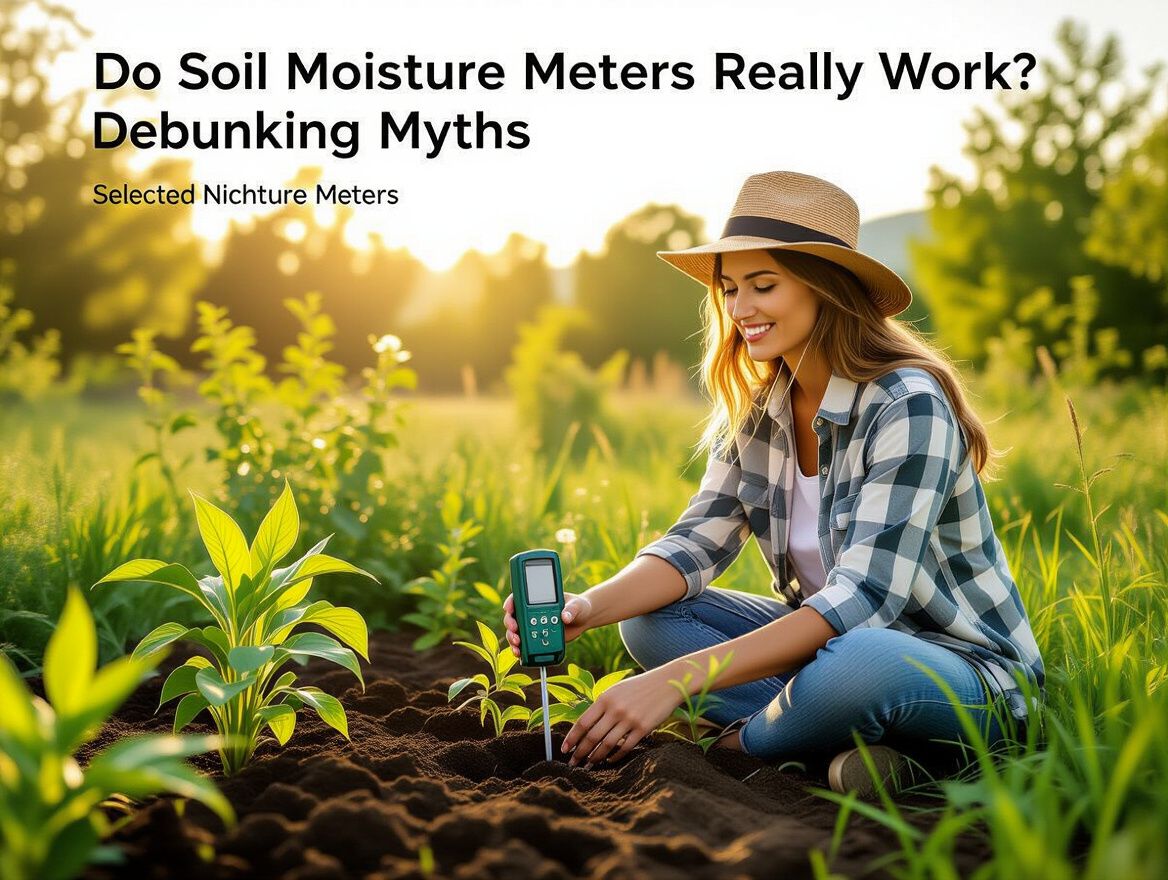
Understanding Soil Moisture Meters
Soil moisture meters are tools designed to measure the water content in the soil, providing gardeners with crucial information about when to water their plants. These devices can vary in type, from simple analog models to more advanced digital versions, each offering different features suitable for various gardening needs.
The importance of soil moisture meters lies in their ability to promote plant health and enhance watering efficiency. By accurately indicating soil moisture levels, they help gardeners avoid overwatering or underwatering, which can lead to root rot or plant stress. This proactive approach to watering not only conserves water but also supports sustainable gardening practices.
Key Benefits of Soil Moisture Meters:
- Improved Plant Health: Prevents the negative effects of overwatering or underwatering.
- Water Conservation: Helps in using water efficiently, which is crucial in areas facing water shortages.
- Informed Decision-Making: Provides clear data that helps gardeners make better watering decisions based on the specific needs of their plants.
Understanding how these meters function and their benefits can aid gardeners in determining whether they are a valuable addition to their gardening toolkit.
How Soil Moisture Meters Work
Understanding the mechanics behind soil moisture meters is essential for gardeners seeking reliable tools for plant care. These devices primarily come in two types: analog and digital, each employing different methodologies to measure soil moisture levels.
Types of Soil Moisture Meters
-
Analog Meters: These typically feature a dial and a probe that you insert into the soil. They provide a visual representation of moisture levels through a needle on a scale. While they are often simpler and more affordable, they may lack precision compared to digital models.
-
Digital Meters: These devices use electronic sensors to provide a numerical readout of moisture content. They often include additional features, such as backlit displays and data logging capabilities, allowing for more detailed monitoring over time.
How Readings Are Taken and Interpreted
Soil moisture meters measure the electrical conductivity or resistance of the soil, which correlates with moisture content. When the probe is inserted into the ground, it sends an electrical signal that varies based on the moisture level:
- High Moisture: More water means lower resistance and higher conductivity, resulting in a higher reading.
- Low Moisture: Conversely, drier soil increases resistance, yielding a lower reading.
Factors Affecting Accuracy
Several factors can influence the accuracy of soil moisture meters:
- Soil Composition: Different soil types (clay, sandy, loamy) affect moisture retention and conductivity, which can lead to varying readings.
- Calibration: Regular calibration is necessary for both analog and digital meters to ensure accurate measurements over time.
- Depth of Measurement: Readings taken at different soil depths can yield different moisture levels, so it’s important to consider the root zone of your plants.
By understanding these components, gardeners can better assess the effectiveness of soil moisture meters and select the right tool for their gardening needs.
Common Misconceptions About Soil Moisture Meters
Many gardeners may hold misconceptions about the effectiveness of soil moisture meters, which can lead to frustration or misuse. Understanding these myths is essential for making informed decisions about their use.
-
Myth: Soil Moisture Meters Are Always Accurate
While soil moisture meters can provide valuable insights, their accuracy can be influenced by various factors, such as soil type, salinity, and temperature. For instance, compacted soil may yield misleading readings due to poor moisture movement. It’s crucial to recognize that these devices are tools that should complement your gardening intuition rather than replace it. -
Myth: They Work the Same in All Conditions
Environmental factors can affect the performance of moisture meters. For example, moisture levels can vary significantly in different areas of the garden, such as near a water source versus a dry spot. As such, relying solely on a meter without considering these variances can lead to misjudgments about when to water. -
Myth: User Error Is Rare
Many users may underestimate the potential for error in using soil moisture meters. Factors such as improper placement of the probe, failure to calibrate the device, or not allowing adequate time for the reading to stabilize can lead to incorrect conclusions. Familiarizing yourself with the specific model's instructions and practicing consistent usage can mitigate these risks.
By debunking these misconceptions, gardeners can better assess how soil moisture meters fit into their watering strategies, enhancing their overall gardening experience. Understanding the limitations and potential for user error empowers gardeners to use these tools effectively, ensuring plants receive the right amount of moisture at the right time.
Key Criteria for Evaluating Soil Moisture Meters
When considering whether soil moisture meters are effective tools for your gardening practices, it’s essential to evaluate them based on specific criteria. This checklist will help you assess their utility and reliability.
-
Measurement Range and Depth:
- Ensure the meter can measure moisture levels at the appropriate depth for your plants' root systems. Different plants have varying needs; for example, shallow-rooted plants may require a meter that measures moisture in the top few inches of soil, while deeper-rooted plants may need readings from greater depths.
-
Response Time and Calibration:
- Look for meters that provide quick readings, as this can help you make timely watering decisions. Additionally, check if the meter requires calibration and how often; some models may need recalibration to maintain accuracy, which can be a hassle for regular use.
-
Ease of Use and Maintenance:
- Consider how easy the meter is to operate. A user-friendly design will save you time and effort. Also, think about the maintenance requirements; some meters may need regular cleaning or battery replacements, which can add to your overall gardening workload.
By carefully evaluating these criteria, you can determine which soil moisture meter aligns best with your gardening needs, helping you make informed decisions that enhance your plant care routine.
Soil Moisture Meters vs. Traditional Methods
When it comes to assessing soil moisture, gardeners often face a choice between using soil moisture meters and traditional methods such as the finger test or soil texture evaluation. Each approach has its pros and cons, which can influence their effectiveness based on specific gardening needs.
Pros of Soil Moisture Meters:
- Precision: Meters provide quantitative data on soil moisture levels, allowing for more accurate assessments.
- Ease of Use: Most meters are user-friendly, requiring minimal training, making them accessible for gardeners of all experience levels.
- Consistency: Unlike manual methods, which can vary based on personal judgment, moisture meters offer consistent readings, reducing the risk of human error.
Cons of Soil Moisture Meters:
- Cost: Depending on the model, moisture meters can range from affordable to quite expensive, which may not be justifiable for all gardeners.
- Dependence on Batteries: Digital meters require batteries, which can be a hassle if they run out unexpectedly.
- Calibration Needs: Some models may need regular calibration to ensure accuracy, adding to their maintenance requirements.
Pros of Traditional Methods:
- Cost-Effective: Simple techniques like the finger test are free and require no special equipment.
- No Maintenance: Manual methods do not require batteries or calibration, making them straightforward and hassle-free.
- Intuition: Experienced gardeners may find traditional methods provide a deeper understanding of soil conditions through tactile feedback.
Cons of Traditional Methods:
- Subjectivity: Results can vary based on personal interpretation, leading to potential overwatering or underwatering.
- Labor-Intensive: Manual methods may require more time and effort, especially for larger gardens.
Situational Preferences:
- Soil Moisture Meters: Best suited for gardeners who want precise measurements, especially in larger or more complex garden setups where consistent moisture levels are critical.
- Traditional Methods: Ideal for small gardens or for those who prefer a low-tech approach and have a good understanding of their soil's needs.
Ultimately, the choice between soil moisture meters and traditional methods depends on factors such as budget, garden size, and personal preference. Understanding these trade-offs can help gardeners select the most appropriate method for their specific situation.
Frequently Asked Questions
When considering whether soil moisture meters are a worthwhile investment for your gardening practices, several common questions arise. This section addresses these queries to help clarify the effectiveness and reliability of these tools.
How accurate are soil moisture meters?
Soil moisture meters typically provide readings that can vary based on the type of meter and the soil conditions. While digital meters may offer more precise readings, analog meters can still be effective for general moisture assessment. It's important to note that factors such as soil type, temperature, and meter calibration can influence accuracy. Regular calibration and understanding the specific moisture needs of your plants can enhance the reliability of the readings.
Can they be used for all types of plants?
Soil moisture meters can be used for a wide variety of plants, but their effectiveness may differ based on the plant's specific moisture requirements. For example, succulents and cacti prefer drier conditions, while tropical plants thrive in consistently moist soil. Understanding the needs of your plants can guide how you use the meter, ensuring you provide the right amount of moisture without overwatering.
What should I do if my meter gives inconsistent readings?
Inconsistent readings can stem from several issues, including improper placement of the meter, soil type variations, or meter malfunction. To troubleshoot, ensure the probe is fully inserted into the soil and not touching rocks or roots that may skew readings. If inconsistencies persist, consider recalibrating the meter or testing it in different locations to verify its accuracy. If problems continue, it may be time to evaluate the meter’s reliability or explore other options.
By addressing these questions, gardeners can gain a clearer understanding of how soil moisture meters function and how they can fit into their gardening routines.
Making an Informed Decision
As we wrap up our exploration of soil moisture meters, it's essential to consider their effectiveness and how they align with your specific gardening needs. Soil moisture meters can be beneficial tools for gardeners, but understanding their limitations and best-use scenarios is crucial for making an informed decision.
Effectiveness Recap
Soil moisture meters can provide valuable insights into soil hydration levels, which can significantly enhance your watering practices. However, the accuracy and reliability of these devices can vary based on factors such as:
- Type of Meter: Analog meters may offer simplicity but often lack precision compared to digital models.
- Soil Conditions: Different soil types (e.g., sandy vs. clay) can affect the readings, potentially leading to misinterpretation.
Consider Personal Gardening Needs
Before purchasing a moisture meter, reflect on your gardening style and requirements. Considerations include:
- Plant Types: Different plants have varying moisture needs; understanding this can guide your choice of meter.
- Garden Size: Larger gardens may benefit from more advanced meters that can provide detailed readings across various zones.
Final Thoughts
In summary, while soil moisture meters can enhance your gardening practices by preventing overwatering and ensuring optimal plant health, it is vital to choose a model that fits your specific conditions and needs. Weigh the trade-offs between different types and features, and consider how a moisture meter will integrate into your overall gardening strategy. By doing so, you can make a purchase decision that supports both your gardening goals and sustainable practices.
More in Soil Moisture Meters
View All