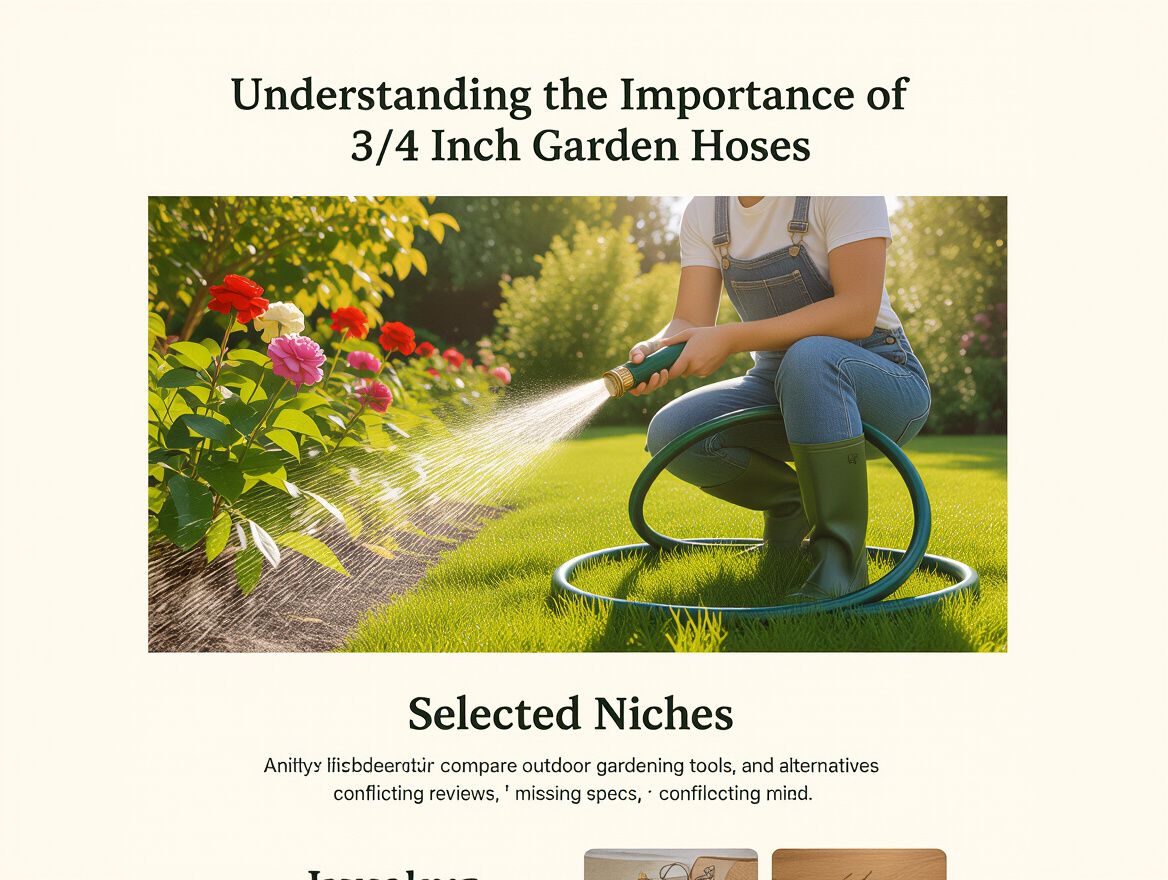
Understanding the Importance of 3/4 Inch Garden Hoses
Why Choose a 3/4 Inch Garden Hose?
When it comes to selecting the right garden hose, size plays a critical role, particularly for gardening enthusiasts seeking efficient watering solutions. The common garden hose sizes include 1/2 inch, 5/8 inch, and 3/4 inch, with the latter being a preferred choice for a variety of tasks.
Opting for a 3/4 inch garden hose offers several benefits:
- Increased Water Flow: The wider diameter allows for a higher volume of water to flow through, making it more suitable for larger gardens or areas that require significant watering.
- Reduced Pressure Loss: A 3/4 inch hose minimizes pressure drop over longer distances, ensuring that water reaches its destination effectively, especially in expansive gardens or when using multiple attachments.
- Versatility: Ideal for various applications, from watering large flower beds to connecting to sprinklers and pressure washers, making it a versatile choice for different gardening tasks.
While 3/4 inch hoses provide numerous advantages, it's essential to consider factors such as weight, storage space, and compatibility with existing fittings. Understanding these aspects can help you make an informed decision tailored to your gardening needs.
Key Features to Consider
When selecting a 3/4 inch garden hose, several critical features can significantly impact your gardening tasks. Each characteristic influences performance, convenience, and durability, making it essential to understand what to look for.
-
Material Types:
- Rubber: Known for its durability and resistance to kinks, rubber hoses also remain flexible in colder temperatures. However, they can be heavier and more expensive.
- Vinyl: Lightweight and more affordable, vinyl hoses are easier to handle but may not withstand heavy use as effectively as rubber.
- Reinforced: Some hoses combine materials for added strength, often featuring a mesh lining that enhances durability and reduces the risk of bursting.
-
Length and Flexibility Requirements:
- Assess the distance you need to cover in your garden. A longer hose provides more reach but may be less flexible and harder to manage.
- Consider how easily the hose can be maneuvered around plants and garden features. A balance between length and flexibility is crucial for effective watering.
-
Durability and Resistance to Kinks:
- Look for hoses that claim resistance to kinks, as this feature can save time and frustration during use.
- Evaluate the hose's construction; those with a thicker wall or a protective outer layer tend to resist damage and maintain shape better over time.
Understanding these features will help you make an informed decision when choosing a 3/4 inch garden hose, ensuring it meets your specific gardening needs while providing reliable performance.
Understanding the Trade-Offs
While 3/4 inch garden hoses are often favored for their capacity and efficiency, potential downsides should be considered before making a purchase. Understanding these trade-offs can help gardeners make informed decisions that align with their specific needs.
Weight and Maneuverability Concerns
- Heavier Build: 3/4 inch hoses are typically heavier than their smaller counterparts. This added weight can make them cumbersome to maneuver, especially over long distances or in tighter garden spaces.
- Handling Difficulties: The increased diameter can lead to challenges in coiling and transporting the hose, which may be a significant factor for gardeners with mobility issues or those who frequently move hoses around.
Cost Implications Compared to Other Sizes
- Higher Initial Investment: Generally, 3/4 inch hoses come at a higher price point than 1/2 inch or 5/8 inch hoses. This cost can be a barrier for casual gardeners or those on a budget.
- Long-Term Value: While they may be more expensive upfront, their durability and efficiency can justify the investment for serious gardening enthusiasts. However, it's important to evaluate whether the additional capacity meets your watering needs.
Storage and Handling Challenges
- Space Requirements: Due to their size, 3/4 inch hoses require more storage space. Gardeners with limited storage options may find them challenging to accommodate alongside other tools and equipment.
- Kinking and Tangles: Heavier hoses can be prone to kinking if not stored properly. This can lead to frustration during use and may require additional organizational solutions to prevent damage.
In summary, while 3/4 inch garden hoses offer significant advantages in terms of water flow and efficiency, their weight, cost, and storage requirements present trade-offs that should be carefully weighed against your gardening practices and needs.
Is a 3/4 Inch Hose Right for You?
Choosing the right garden hose can significantly impact your gardening efficiency. A 3/4 inch garden hose offers several advantages, particularly for larger gardens or tasks requiring higher water flow. Here’s how to assess whether this size is suitable for your needs:
Best Use Cases for 3/4 Inch Hoses
- Large Gardens: Ideal for extensive areas where quick watering is essential.
- High-Pressure Tasks: Suitable for connecting to sprinklers or pressure washers that require a robust water supply.
- Frequent Use: Beneficial for gardeners who regularly engage in watering or cleaning tasks, as they can handle more significant volumes of water.
Comparison with 1/2 Inch and 5/8 Inch Hoses
- Flow Rate: A 3/4 inch hose delivers a higher flow rate compared to 1/2 inch and 5/8 inch hoses, making it more efficient for larger applications.
- Weight and Maneuverability: While 3/4 inch hoses are generally heavier and less flexible, they provide greater durability, especially for heavy-duty tasks.
- Price Considerations: Typically, 3/4 inch hoses are more expensive than their smaller counterparts due to their construction and capability.
Factors Influencing Hose Choice Based on Garden Size and Type
- Garden Size: For small gardens or container plants, a 1/2 inch or 5/8 inch hose may suffice. In contrast, larger areas benefit from the increased capacity of a 3/4 inch hose.
- Watering Needs: Consider the types of plants and their water requirements. If you’re growing extensive flower beds or vegetables, a 3/4 inch hose can provide adequate hydration more quickly.
- Storage Space: A larger hose may require more storage space and could be less convenient for smaller gardening setups.
By weighing these factors against your specific gardening tasks, you can make a more informed decision on whether a 3/4 inch garden hose is the right choice for you.
Risks and Considerations
When selecting a 3/4 inch garden hose, understanding the potential pitfalls is crucial for ensuring long-term satisfaction and functionality in your gardening tasks. Here are some key considerations:
-
Misuse Leading to Damage: 3/4 inch hoses are robust but can be prone to damage if not used correctly. Avoid kinking the hose during use, as this can lead to leaks or ruptured sections. Always ensure that the hose is fully unwound before use to prevent pressure buildup.
-
Compatibility with Existing Fittings and Sprinklers: Before purchasing a 3/4 inch hose, check the compatibility with your existing fittings, connectors, and watering devices. Mismatched sizes can lead to inefficiencies, leaks, or the need for additional adapters, which can complicate your watering setup.
-
Environmental Factors Affecting Hose Longevity: The lifespan of a garden hose can be significantly influenced by environmental conditions. Exposure to extreme temperatures, UV light, and moisture can degrade materials over time. Consider storing your hose in a shaded area or using protective covers to prolong its life.
By being aware of these risks and considerations, you can make a more informed decision when choosing a 3/4 inch garden hose that meets your gardening needs effectively.
Frequently Asked Questions
What makes 3/4 inch hoses superior for certain tasks?
3/4 inch garden hoses are preferred for various gardening tasks due to their increased water flow capacity. This size allows for faster watering of larger areas, making them ideal for tasks such as:
- Watering extensive gardens or lawns
- Supplying water to multiple outlets or sprinklers simultaneously
- Filling large containers or ponds quickly
The larger diameter also helps reduce pressure loss over longer distances, ensuring consistent water delivery.
How to maintain a 3/4 inch garden hose?
Proper maintenance of a 3/4 inch garden hose can prolong its lifespan and ensure optimal performance. Here are key maintenance tips:
- Drain after use: Always drain the hose completely to prevent water from freezing and causing damage in colder months.
- Store properly: Coil the hose loosely and store it in a shaded area to avoid kinks and UV damage.
- Inspect regularly: Check for leaks, cracks, or signs of wear. Address any issues promptly to prevent further damage.
Are there specific brands recommended for durability?
While specific brand recommendations can vary, look for reputable manufacturers known for quality garden hoses. Consider these factors for durability:
- Material: Hoses made from heavy-duty rubber or reinforced materials tend to last longer.
- Fittings: Brass fittings are generally more durable than plastic ones.
- Warranty: A longer warranty often indicates manufacturer confidence in the product's durability.
Researching user reviews and ratings can also provide insight into the longevity and performance of different brands.
Final Thoughts on 3/4 Inch Garden Hoses
In summary, 3/4 inch garden hoses present a robust solution for gardening enthusiasts who prioritize efficiency and versatility. Their wider diameter facilitates increased water flow, making them particularly beneficial for larger gardens or areas requiring extensive watering. Additionally, they help reduce pressure loss over long distances, ensuring that water reaches its intended destination effectively.
However, it's crucial to weigh the benefits against some considerations:
- Weight and Handling: A 3/4 inch hose can be heavier than smaller diameter hoses, which may affect maneuverability, especially during extended use.
- Storage Needs: Due to their size, these hoses may require more storage space. Consider your storage options before making a decision.
- Compatibility: Ensure that your existing fittings and connectors are compatible with a 3/4 inch hose to avoid additional costs or the need for adapters.
Before committing to a purchase, assess your personal gardening needs. Think about the size of your garden, the types of tasks you typically undertake, and how frequently you water. By understanding these elements, you can make an informed choice that aligns with your gardening goals, ensuring that your investment in a 3/4 inch garden hose serves you well for years to come.