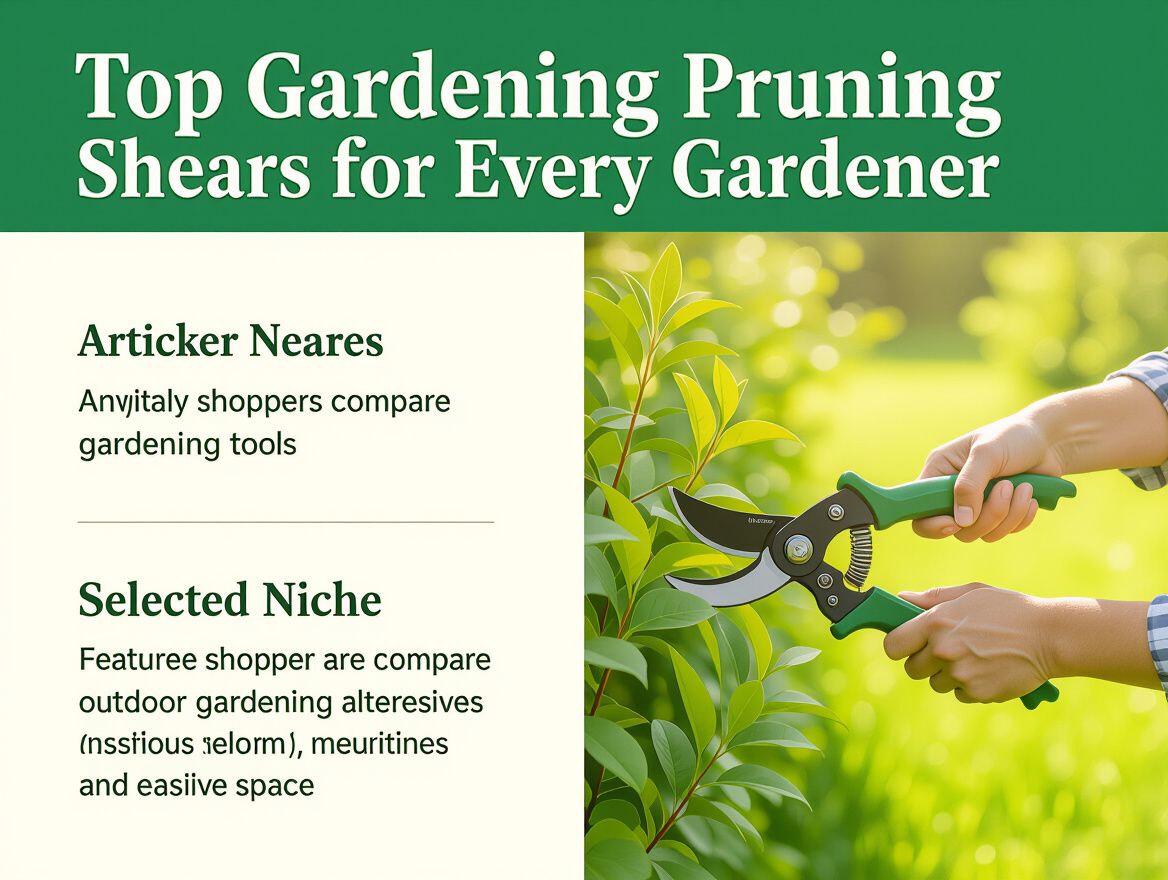
Top Gardening Pruning Shears for Every Gardener
Understanding the Importance of Pruning Shears
Selecting the right gardening pruning shears is essential for achieving optimal results in your garden. Pruning shears play a vital role in maintaining plant health, shaping growth, and promoting flowering. The effectiveness of your pruning efforts largely depends on the type of shears you choose, as different styles are designed for specific tasks.
Overview of Pruning Shear Types
- Bypass Shears: Ideal for making clean cuts on live plants, these shears work like scissors, using two blades that slide past each other.
- Anvil Shears: Best suited for cutting dead wood, these shears have a single blade that presses against a flat surface.
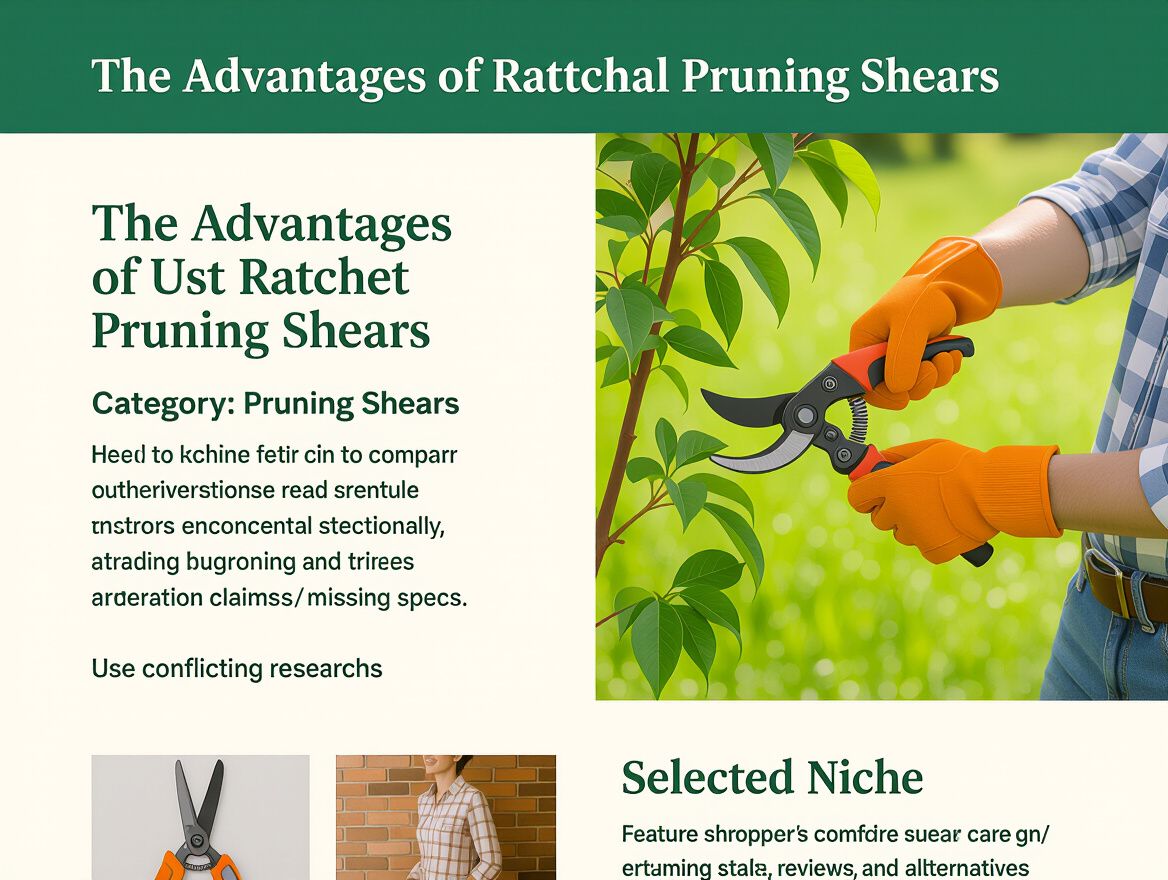
- Ratchet Shears: These tools provide extra leverage, making them easier to use for those with limited strength.
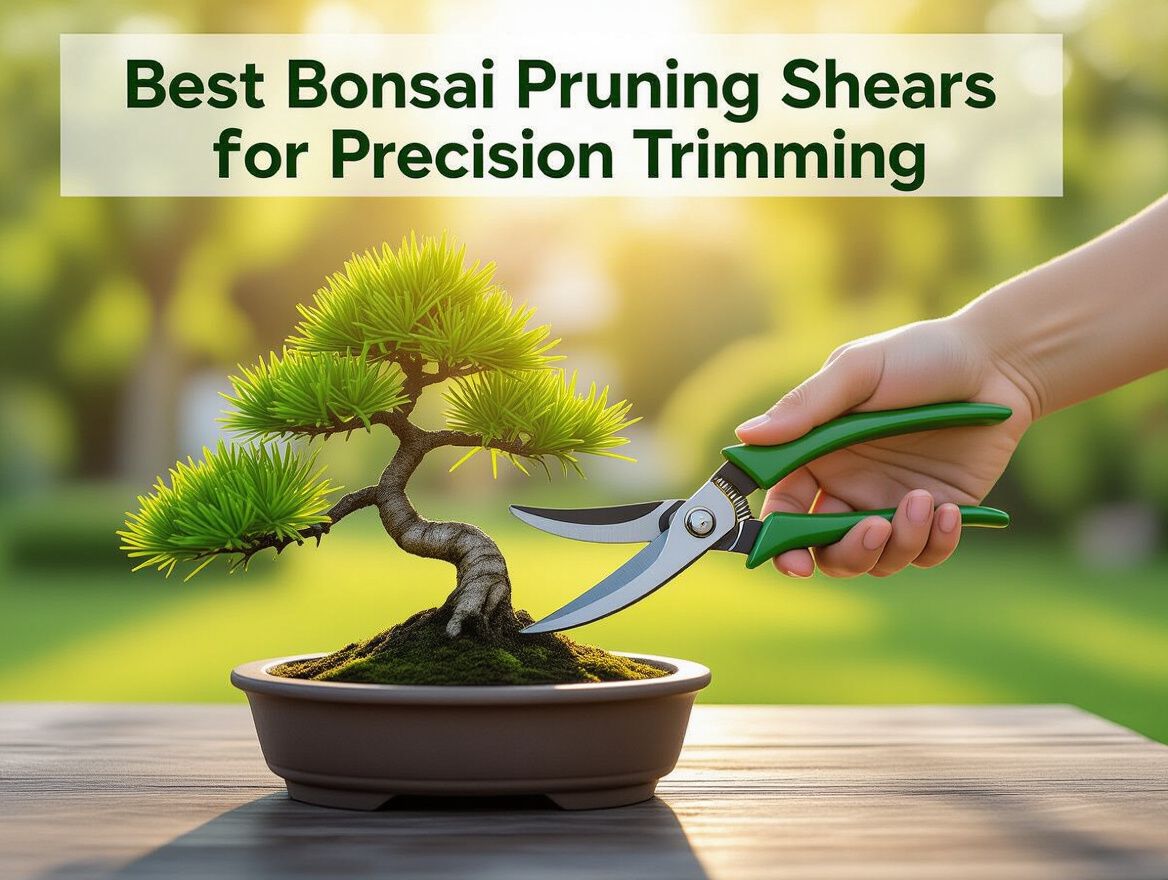
- Specialty Shears: Designed for specific tasks, such as floral arrangements or bonsai trimming, these shears cater to niche gardening needs.
Importance of Choosing the Right Tool
Using the appropriate pruning shears for your gardening tasks can significantly affect your efficiency and the health of your plants. For instance, using bypass shears on live branches minimizes damage, while anvil shears can easily handle thicker, dead wood. Consider the following factors when selecting your shears:
- Type of Plants: Different plants may require specific cutting techniques, influencing your choice of shears.
- Gardening Style: Whether you're a casual gardener or a professional, your frequency of use and the scale of your gardening tasks will dictate the best fit.
- User Comfort: Ergonomics and weight can impact how long you can comfortably use the shears, affecting your overall gardening experience.
By understanding these elements, you can make a more informed decision, ultimately enhancing your gardening success.
Key Buying Criteria for Pruning Shears
When selecting gardening pruning shears, understanding the essential features can significantly enhance your gardening experience. Here are the critical criteria to consider:
-
Blade Material and Sharpness: Look for high-carbon steel or stainless steel blades, as they offer durability and sharpness retention. Sharp blades ensure clean cuts, which promote plant health by minimizing damage to stems.
-
Ergonomics and Handle Design: Choose shears with comfortable grips and ergonomic designs to reduce strain during extended use. Handles made from rubber or soft materials can provide better grip and control, especially for prolonged tasks.
-
Weight and Balance: The weight of the shears affects maneuverability. Lighter shears are easier to handle but may sacrifice durability. Ensure that the balance feels right in your hand to prevent fatigue while working in the garden.
-
Cutting Capacity and Mechanism: Assess the cutting capacity, which refers to the thickness of branches the shears can handle. Bypass shears are ideal for live wood, while anvil shears are better for dead or dry wood. Understanding the mechanism—whether manual or powered—can also influence ease of use and efficiency.
By carefully evaluating these criteria, you can select gardening pruning shears that align with your specific gardening style and needs, ensuring effective and enjoyable pruning experiences.
Comparing Popular Types of Gardening Pruning Shears
When selecting gardening pruning shears, understanding the different types available can significantly enhance your gardening experience. Each type of pruning shear serves distinct purposes, and knowing their features can help you choose the right tool for your specific gardening needs.
Bypass vs. Anvil Shears
- Bypass Shears: These shears function like scissors, with two blades that slide past each other. They are ideal for cutting live plants and delicate stems, providing a clean cut that promotes healthy plant growth.
- Anvil Shears: Featuring a single sharp blade that cuts against a flat surface (the anvil), these shears are better suited for cutting through dead or hardwood branches. They tend to crush softer stems, making them less ideal for live plants.
Electric vs. Manual Options
- Electric Pruning Shears: These are powered tools that can significantly reduce the effort required for larger pruning tasks. They are beneficial for gardeners with limited strength or those who frequently handle extensive pruning jobs.
- Manual Pruning Shears: While they require more physical effort, manual shears allow for greater control and precision, making them suitable for intricate work in smaller gardens or flower beds.
Size and Purpose of Shears
- Small Shears: Perfect for precision work, small shears are ideal for flowers and delicate plants. They can easily navigate tight spaces and are excellent for detailed trimming.
- Medium Shears: These are versatile tools that can handle a variety of tasks, suitable for shrubs and young trees. They strike a balance between maneuverability and cutting power.
- Large Shears: Designed for heavy-duty tasks, large shears are best for mature trees and thick branches. They offer the strength needed for demanding pruning jobs but may be cumbersome for fine work.
Evaluating Your Needs
When choosing the right gardening pruning shears, consider the following:
- Gardening Style: Assess whether you focus on ornamental plants, vegetable gardens, or landscape maintenance to determine the appropriate shear type.
- Physical Capability: Reflect on your strength and stamina; electric shears may be more suitable for those with physical limitations.
- Frequency of Use: If you prune regularly, investing in high-quality shears can enhance efficiency and comfort over time.
By understanding these distinctions and evaluating your gardening needs, you can make an informed decision on the type of gardening pruning shears that will best suit your style and tasks.
Understanding Trade-offs and Fit Limits
When selecting gardening pruning shears, it's essential to consider the trade-offs related to durability, weight, cost, features, ease of use, and cutting power. Each of these factors plays a significant role in determining which shears will best suit your gardening style and needs.
Durability vs. Weight
- Durability: Heavier shears are often more robust and can handle tougher tasks, such as cutting through thicker branches. However, this added durability comes at the cost of weight, which can lead to fatigue during extended use.
- Weight: Lightweight shears are easier to maneuver and reduce hand strain, making them ideal for prolonged use or for gardeners with limited strength. However, they may not withstand heavy-duty tasks as effectively.
Cost vs. Features
- Cost: Higher-priced shears typically come with advanced features such as ergonomic handles, rust-resistant materials, or replaceable blades. While these features can enhance performance and longevity, they may not be necessary for casual gardeners.
- Features: Budget options can perform adequately for basic pruning tasks but may lack the comfort and efficiency of more expensive models. Assessing your gardening frequency and the types of plants you work with will help determine if the investment in features is justified.
Ease of Use vs. Cutting Power
- Ease of Use: Some shears are designed for maximum comfort, featuring ergonomic grips and lightweight construction. These are particularly beneficial for gardeners who prioritize comfort and ease during pruning sessions.
- Cutting Power: On the other hand, shears that offer greater cutting power might require more effort to use, especially for softer grips or less experienced users. It’s crucial to find a balance that allows you to tackle your pruning tasks effectively without sacrificing comfort.
By evaluating these trade-offs, you can better identify the pruning shears that align with your gardening style, ensuring that you choose tools that not only meet your needs but also enhance your gardening experience.
Potential Risks and Caveats of Pruning Shears
When selecting gardening pruning shears, it’s essential to be aware of potential risks and caveats that can affect your gardening experience. Understanding these issues can help you make a more informed decision and avoid common pitfalls.
-
Incorrect Tool for Specific Tasks: Using the wrong type of pruning shear can lead to poor cutting results, which may damage plants rather than promote healthy growth. For instance, using bypass shears on thicker branches can result in torn bark, while anvil shears may crush delicate stems.
-
Safety Concerns with Improper Handling: Pruning shears can be sharp and potentially dangerous if not handled correctly. Improper techniques, such as cutting above shoulder height or using dull blades, can lead to accidents. Always ensure that you use the right grip and cutting angle to minimize risks.
-
Maintenance Requirements and Longevity: Pruning shears require regular maintenance, such as cleaning, sharpening, and oiling, to remain effective. Neglecting these tasks can lead to decreased performance and a shorter lifespan for your tools. Be prepared to invest time in maintaining your shears to ensure they perform optimally.
By considering these factors, you can choose the right gardening pruning shears that not only fit your gardening style but also minimize risks associated with their use.
Frequently Asked Questions About Gardening Pruning Shears
When considering gardening pruning shears, potential buyers often have specific questions that can guide their purchasing decisions. Here are some common inquiries and their answers:
What problems do pruning shears solve?
Gardening pruning shears are essential tools that address several key issues in plant maintenance, such as:
- Promoting Plant Health: Clean cuts made by sharp pruning shears help prevent damage to plants, reducing the risk of disease.
- Encouraging Growth: Regular pruning encourages healthier growth by removing dead, diseased, or overgrown branches, allowing for better air circulation and sunlight penetration.
- Shaping Plants: Pruning shears allow gardeners to shape their plants, ensuring they stay within desired dimensions and aesthetics.
How do I maintain my pruning shears?
Proper maintenance is crucial for ensuring the longevity and effectiveness of your pruning shears. Consider the following practices:
- Cleaning: After each use, wipe the blades with a clean cloth to remove sap, dirt, or debris. This prevents corrosion and maintains sharpness.
- Sharpening: Regularly sharpen the blades using a sharpening stone or file to ensure clean cuts. Dull blades can damage plants and require more effort to use.
- Lubrication: Apply a few drops of oil to the pivot point to keep the mechanism smooth and prevent rust.
What features should I prioritize based on my gardening style?
Your gardening style significantly influences which features of pruning shears are most important. Here are some considerations:
- Type of Plants: If you primarily prune soft-stemmed plants, bypass shears may be more suitable. For woody plants, anvil shears could be more effective.
- Frequency of Use: If you plan to use shears frequently, ergonomics and weight become crucial. Lightweight, well-balanced shears can reduce fatigue during extended use.
- Specific Tasks: Consider whether you need shears for precision cuts on flowers or larger branches. Specialty shears may be beneficial for specific tasks, such as floral arrangements or heavy-duty pruning.
By addressing these common questions, you can make a more informed decision when selecting gardening pruning shears that best fit your gardening needs and preferences.
Making the Right Choice for Your Gardening Needs
Choosing the right gardening pruning shears requires careful consideration of your unique gardening tasks and preferences. Reflecting on the key buying criteria can guide you in making an informed decision that enhances your gardening experience.
-
Match Tools to Tasks: Different pruning shears excel at specific tasks. Bypass shears are excellent for precise cuts on live plants, while anvil shears are more suited for dead wood. Understanding your garden's needs will help you select the most effective tool.
-
Evaluate Ergonomics: Comfort during use is crucial, especially for extended periods. Look for shears that fit well in your hand and have features like cushioned grips to minimize strain.
-
Consider Weight and Balance: The weight of the shears can impact your ability to maneuver them effectively. A well-balanced pair will feel comfortable and reduce fatigue, allowing for longer gardening sessions without discomfort.
-
Explore Options: The market offers a variety of gardening pruning shears, from manual to battery-powered options. Each type has its advantages, so take the time to explore and compare features that align with your gardening style.
Before making a purchase, take a moment to reflect on these factors. By aligning your choice with your gardening needs, you'll not only enhance your efficiency but also enjoy a more satisfying gardening experience.