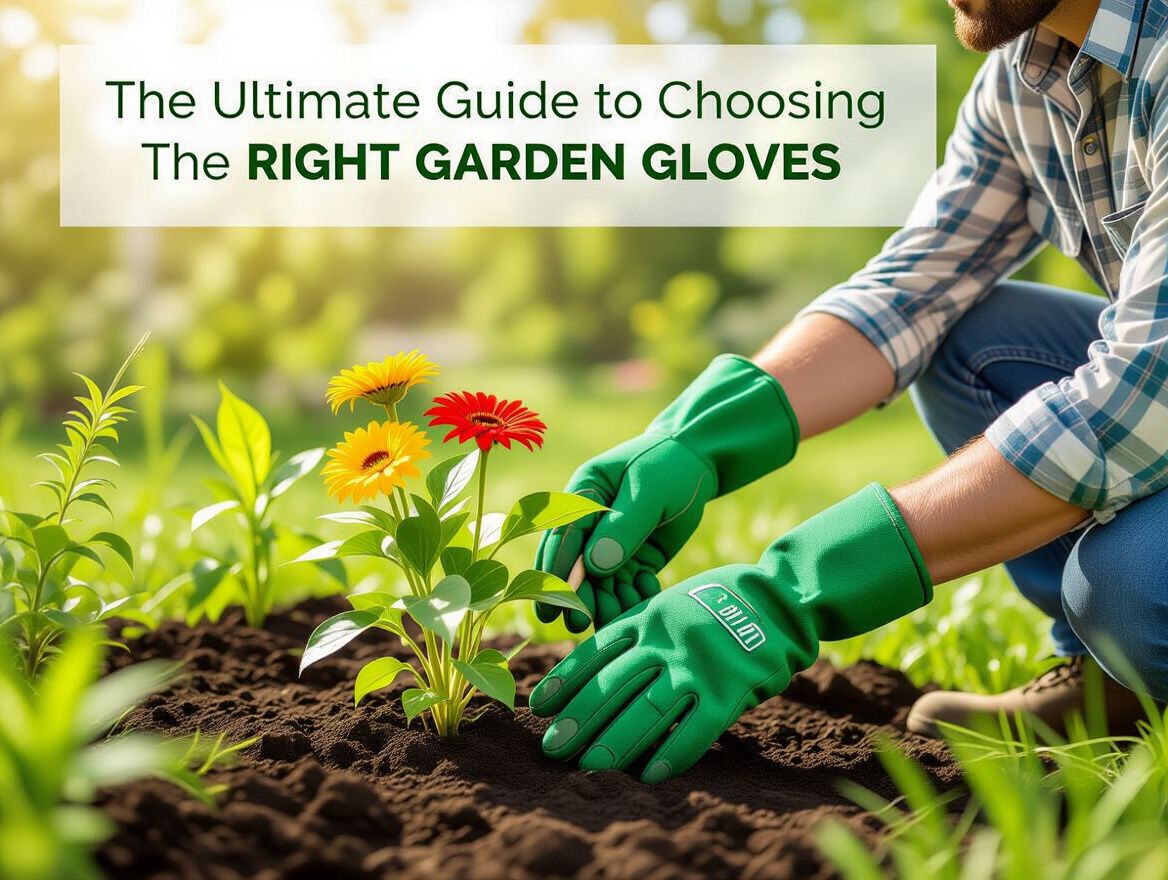
The Ultimate Guide to Choosing the Right Garden Gloves
Why Choosing the Right Garden Gloves Matters
Selecting the appropriate garden gloves is essential for enhancing both efficiency and safety during gardening tasks. The right pair can significantly impact your gardening experience, allowing you to work comfortably while protecting your hands from potential hazards.
Benefits of Using Garden Gloves
- Protection: Gloves shield your hands from thorns, sharp edges, and rough surfaces, reducing the risk of cuts and scrapes.
- Comfort: Quality gloves provide a snug fit that allows for dexterity, enabling you to handle delicate plants and tools with ease.
- Improved Grip: Many garden gloves are designed with textured materials that enhance grip, making it easier to hold onto tools and plants securely.
Impact on Gardening Efficiency
Using the right gloves can streamline your gardening tasks:
- Task Suitability: Different gloves are designed for specific tasks, whether it’s weeding, pruning, or planting. Choosing gloves that align with your activity can enhance performance and reduce fatigue.
- Durability: Investing in high-quality gloves can save money in the long run, as they are less likely to tear or wear out quickly, allowing you to focus on gardening rather than replacing tools.
Safety Considerations
- Material Awareness: Be mindful of the materials used in gloves; some may not be suitable for certain gardening activities (e.g., waterproof gloves for wet conditions).
- Fit and Size: Poorly fitting gloves can lead to blisters or reduced dexterity. Ensuring the right size is crucial for comfort and functionality.
In conclusion, the right garden gloves not only provide protection but also enhance your overall gardening experience. By understanding the specific benefits and use cases of different gloves, you can make an informed choice that meets your gardening needs.
Key Criteria for Selecting Garden Gloves
Choosing the right garden gloves can significantly enhance your gardening experience. Here are essential features to consider when selecting gloves that best suit your needs:
-
Material Types and Benefits:
- Leather: Offers excellent durability and protection, ideal for thorny plants and heavy-duty tasks.
- Cotton: Provides breathability and comfort, suitable for light gardening tasks but less protective against moisture.
- Nitrile Coating: Offers a waterproof barrier while maintaining flexibility, great for wet conditions.
- Latex: Provides excellent grip and dexterity but may not be suitable for those with latex allergies.
-
Size and Fit Considerations:
- Ensure a snug fit to maintain dexterity while working. Gloves that are too loose can hinder movement and lead to accidents.
- Measure your hand size according to the manufacturer’s sizing chart, as sizes can vary between brands.
-
Durability and Protection Levels:
- Consider the thickness and quality of the material for the type of gardening you do. Thicker gloves provide more protection but may sacrifice tactile sensitivity.
- Look for reinforced fingertips and palms for added durability, especially if you frequently handle tools or rough materials.
-
Comfort and Grip Features:
- Choose gloves with ergonomic designs and padded palms for extended comfort during long gardening sessions.
- Textured surfaces can enhance grip, making it easier to handle tools and plants securely.
Understanding these criteria will help you select garden gloves that not only protect your hands but also enhance your gardening efficiency. Assess your specific gardening tasks and preferences to find the best fit for your gardening needs.
Understanding Trade-Offs in Garden Gloves
When selecting the right garden gloves, understanding the trade-offs between various types is crucial to making an informed choice. Different gloves excel in specific tasks but may fall short in others. Here’s a breakdown of key considerations:
Heavy-Duty vs. Lightweight Gloves
- Heavy-Duty Gloves: Ideal for tough tasks like handling thorny plants or heavy-duty gardening. They offer excellent protection but can be bulkier, reducing dexterity.
- Lightweight Gloves: Best for tasks requiring precision, such as planting seeds or delicate pruning. While they provide comfort and flexibility, they may not offer the same level of protection against rough materials.
Waterproof Options vs. Breathability
- Waterproof Gloves: Essential for wet gardening conditions or when working with muddy soil. However, they can trap heat and moisture inside, leading to discomfort during prolonged use.
- Breathable Gloves: Designed to allow airflow, keeping hands cool and dry. These are better for warm weather but may not protect against water exposure as effectively.
Cost vs. Quality Considerations
- Cheap Garden Gloves: Often more affordable and suitable for casual gardeners. However, they may lack durability and protection, leading to quicker wear and tear.
- Higher-Quality Gloves: Typically made from better materials, offering enhanced durability and protection. While the upfront cost is higher, they may prove more economical in the long run due to their longevity.
By weighing these trade-offs, gardeners can better align their glove choice with the specific tasks they need to perform, ensuring they select gloves that enhance their gardening experience while meeting their practical requirements.
Potential Risks of Choosing the Wrong Garden Gloves
Selecting the wrong garden gloves can lead to several issues that may hinder your gardening experience and even cause injury. Understanding these risks is essential for making an informed choice that aligns with your gardening needs.
Skin Irritation from Materials
- Allergic Reactions: Some gloves are made from synthetic materials that can cause skin irritation or allergic reactions. If you have sensitive skin, opting for natural materials like cotton or leather may be safer.
- Breathability Concerns: Non-breathable materials can lead to sweaty hands, which increases discomfort and can exacerbate skin issues.
Lack of Protection Leading to Injuries
- Inadequate Coverage: Gloves that are too thin or poorly designed may not provide sufficient protection against thorns, sharp tools, or rough surfaces. This can result in cuts, scrapes, or puncture wounds.
- Poor Grip: Gloves lacking textured surfaces may lead to slips when handling tools or plants, increasing the risk of accidents.
Reduced Gardening Efficiency
- Poor Fit: Ill-fitting gloves can lead to blisters and discomfort, making it difficult to work effectively. A snug fit is crucial for both comfort and dexterity.
- Task Incompatibility: Using gloves not suited for specific gardening tasks (e.g., heavy-duty gloves for delicate pruning) can hinder performance and reduce overall efficiency.
Being aware of these potential risks can guide you in selecting garden gloves that not only enhance your gardening experience but also keep your hands safe and comfortable. Prioritize fit, material quality, and task appropriateness to mitigate these issues.
Frequently Asked Questions About Garden Gloves
When it comes to selecting the right garden gloves, potential buyers often have specific questions that can guide their decision-making process. Here are some common queries and their answers:
What types of garden gloves are best for specific tasks?
Different gardening tasks require different types of gloves for optimal performance:
- Weeding: Lightweight, flexible gloves with a snug fit allow for better dexterity when pulling weeds.
- Pruning: Thorn-resistant gloves made from thicker materials offer protection while handling sharp branches.
- Planting: Gloves with a good grip and breathable fabric are ideal for handling seeds and delicate plants.
- Heavy-duty tasks: For tasks like digging or moving heavy materials, thicker gloves that provide more protection and durability are recommended.
How do I determine the right size for my garden gloves?
Finding the correct glove size is essential for comfort and functionality. Consider the following:
- Measure Your Hand: Use a measuring tape to determine the circumference of your hand around the knuckles. This measurement will help you compare against sizing charts provided by manufacturers.
- Try Before You Buy: If possible, try on gloves to ensure they fit snugly without being too tight. Pay attention to finger length and overall comfort.
- Consider Layering: If you plan to wear liners for added warmth or protection, factor that into your size selection.
Are there budget-friendly options that still offer quality?
Yes, there are several budget-friendly garden gloves that provide good quality without breaking the bank. When looking for affordable options, keep these points in mind:
- Material: Look for gloves made from synthetic materials that offer durability and protection at a lower price point.
- Brand Reputation: Consider lesser-known brands that have good reviews for quality, as they may offer competitive pricing compared to well-known brands.
- Sales and Discounts: Keep an eye out for seasonal sales or promotions that can provide quality gloves at reduced prices.
By understanding these aspects, you can make an informed decision when selecting garden gloves that best meet your gardening needs.
Making Your Decision: Finding the Perfect Garden Gloves
As you evaluate your options for garden gloves, it's essential to revisit the key criteria that will guide your decision-making process. Understanding your specific gardening needs and the various types of gloves available can help you make an informed choice.
Key Criteria to Consider
- Material: Different materials offer varying levels of durability, flexibility, and protection. For instance, leather is tough and protective, while synthetic materials may provide better dexterity and breathability.
- Task-Specific Design: Consider the gardening tasks you regularly perform. Gloves designed for heavy-duty work may not be suitable for delicate tasks like planting seedlings, where a lighter glove would be more appropriate.
- Fit and Comfort: Proper fit is crucial for functionality. Gloves that are too tight can cause discomfort, while loose gloves may hinder your grip and dexterity. Look for options with adjustable features for a customized fit.
Trade-offs to Weigh
- Price vs. Quality: While cheap garden gloves may seem appealing, they often lack durability and protection. Investing in quality gloves can provide better long-term value.
- Protection vs. Sensitivity: Heavier gloves offer more protection but can limit your ability to feel what you're working with. Assess how much sensitivity you need based on your gardening tasks.
Evaluating Personal Gardening Needs
Take a moment to reflect on your gardening habits. Are you a casual gardener or a more serious enthusiast? Do you tackle heavy-duty projects or focus on delicate plants? Your answers will help you narrow down your choices effectively.
Ultimately, selecting the right garden gloves is about matching the product to your specific gardening activities and preferences. By considering the criteria and trade-offs outlined here, you'll be better equipped to find gloves that enhance your gardening experience while keeping your hands safe and comfortable.