How to Choose the Right Garden Trowel for Your Gardening Needs
Introduction to Garden Trowels
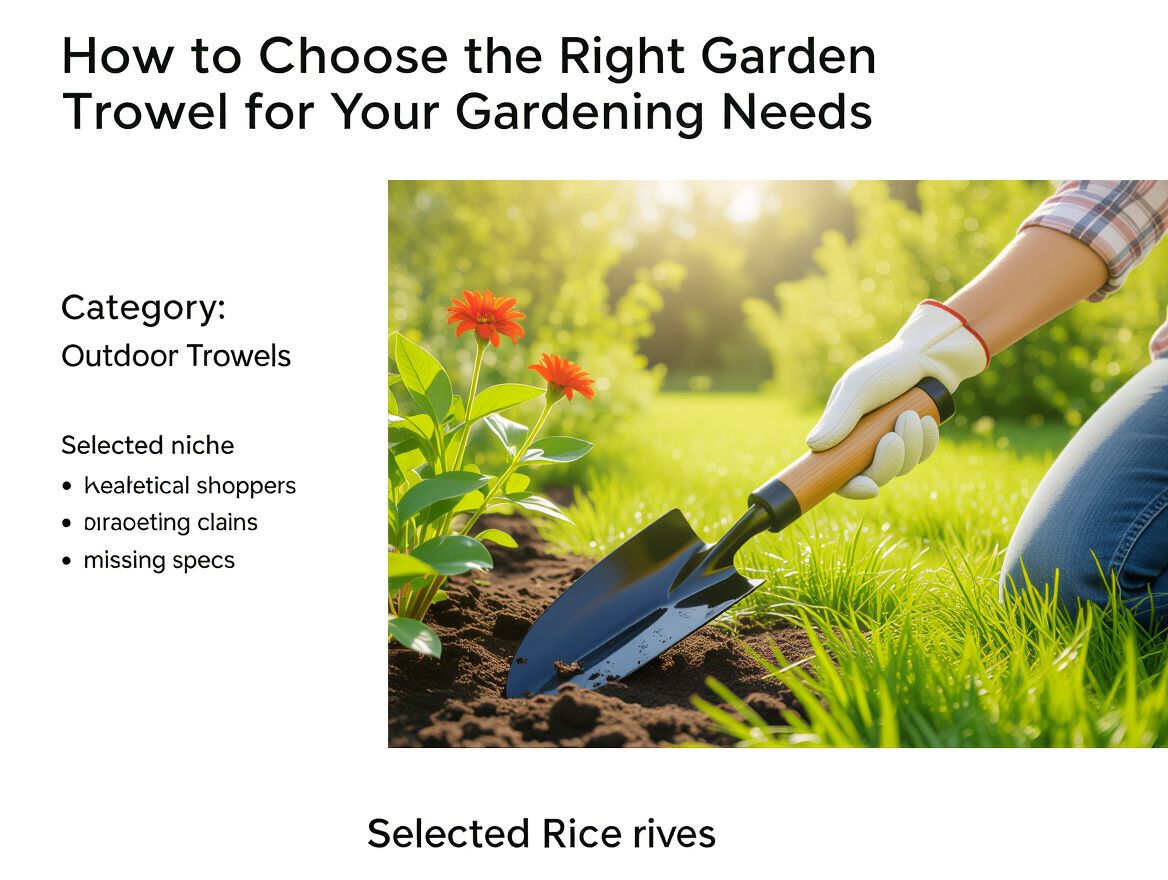
Garden trowels are essential hand tools designed for various gardening tasks, making them a staple in every gardener's toolkit. Typically featuring a pointed, scoop-shaped blade and a sturdy handle, these tools are versatile and can be used for digging, planting, and transferring soil or small plants.
The importance of selecting the right garden trowel lies in its ability to enhance your gardening efficiency and comfort. Depending on your specific needs, the right trowel can help you achieve better results in tasks such as:
- Transplanting seedlings: A trowel with a narrow blade is ideal for carefully lifting and moving young plants without disturbing their roots.
- Weeding: A trowel with a sharp edge can easily cut through soil and roots, making it effective for removing unwanted plants.
- Digging: For larger planting holes, a wider blade offers the leverage needed to break up tough soil.
Understanding the various types of garden trowels and their applications is crucial for making an informed purchase. As you evaluate your gardening tasks—whether planting, weeding, or digging—consider the specific features of trowels that will best meet those needs.
Key Criteria for Selecting a Garden Trowel
When choosing the right garden trowel, it's essential to evaluate various factors that align with your specific gardening needs. Here’s a checklist to guide your decision-making process:
-
Material:
- Steel: Known for its durability and strength, steel trowels are ideal for heavy-duty tasks but may be heavier.
- Plastic: Lightweight and rust-resistant, plastic trowels are great for light gardening tasks but may not withstand heavy use.
- Stainless Steel: Offers a balance of durability and resistance to rust, making it a versatile choice for various gardening activities.
-
Size and Shape:
- Blade Size: Larger blades can move more soil but may be cumbersome in tight spaces. Smaller blades are better for precise work and tight areas.
- Blade Shape: Consider a pointed blade for digging and a wider, rounded blade for scooping and transferring soil.
-
Handle Type and Comfort:
- Ergonomic Designs: Look for trowels with cushioned grips or ergonomic shapes that reduce hand strain during extended use.
- Length: Ensure the handle length suits your height and gardening style, as a longer handle can provide better leverage for digging.
-
Weight and Balance:
- Weight: A heavier trowel may offer more stability and durability but can also lead to fatigue over time. Conversely, a lighter trowel is easier to maneuver but might not be as robust.
- Balance: A well-balanced trowel makes it easier to control and reduces the risk of strain during use.
By considering these criteria, you can select a garden trowel that not only fits your gardening tasks but also enhances your overall gardening experience.
Use Cases for Different Types of Garden Trowels
Selecting the right garden trowel involves understanding the specific gardening tasks you need to accomplish. Different trowels are designed to excel at various functions, making it crucial to match your tool to your gardening activities. Here’s a breakdown of common gardening tasks and the types of trowels best suited for each:
Transplanting
For transplanting seedlings and young plants, a trowel with a pointed, narrow blade is ideal. This design allows for precise digging without disturbing the surrounding soil too much. Key considerations include:
- Blade Length: A shorter blade facilitates better control.
- Material: Stainless steel blades are durable and resist rust.
- Handle Comfort: Ergonomic grips can reduce hand fatigue during repetitive motions.
Weeding
Weeding requires a trowel that can easily penetrate the soil to uproot unwanted plants. Look for:
- Wide Blade: A broader blade can scoop out larger weeds effectively.
- Serrated Edge: This feature can help cut through tough roots.
- Weight: A lightweight trowel allows for prolonged use without tiring your hands.
Digging
For general digging tasks, such as preparing garden beds or planting bulbs, a robust trowel is necessary. Considerations include:
- Blade Thickness: Thicker blades can handle tougher soils.
- Length: A longer handle provides better leverage for deeper digging.
- Material: Forged steel blades offer strength and durability.
Soil Turning
When turning soil or mixing in amendments, a trowel with a broad, flat blade is beneficial. Important factors to evaluate are:
- Width: A wider blade can cover more ground quickly.
- Design: A slightly curved blade can help lift and aerate the soil effectively.
- Grip: A comfortable handle helps maintain control during extensive use.
By understanding these use cases, you can make an informed decision about which garden trowel will best fit your specific gardening needs. Remember to consider the trade-offs, such as weight versus durability, and ensure the trowel feels comfortable in your hand to minimize fatigue during your gardening endeavors.
Trade-offs and Considerations When Choosing a Trowel
Choosing the right garden trowel involves understanding the trade-offs between various features, as each type of trowel is designed for specific tasks and conditions. Here are key considerations to keep in mind:
-
Durability vs. Weight:
- Heavy-duty trowels made from stainless steel or carbon steel are durable and can handle tough soil conditions. However, they may be heavier, leading to fatigue during prolonged use.
- Lighter trowels, often made from aluminum or plastic, are easier to handle but may not withstand heavy-duty tasks over time.
-
Cost vs. Quality:
- Investing in a high-quality trowel can enhance performance and longevity. Premium materials often mean better resistance to rust and bending.
- On the other hand, budget options can be tempting, especially for beginners, but they may wear out quickly or fail to perform well for intensive gardening tasks.
-
Versatility vs. Specialization:
- Multi-purpose trowels can be useful for various tasks, from planting to weeding. However, they may not excel at any specific function.
- Specialized trowels, such as those designed for digging in narrow spaces or transplanting seedlings, can offer better precision and efficiency but may not be as useful for general gardening tasks.
Understanding these trade-offs will help you evaluate your specific gardening needs and select a trowel that aligns best with your gardening style and the tasks you frequently undertake.
Frequently Asked Questions About Garden Trowels
Choosing the right garden trowel can be a nuanced decision. Here are some common questions that can help clarify your options and needs.
What buyer problem does a garden trowel solve?
Garden trowels are essential for various gardening tasks, such as digging, planting, and transferring soil or plants. They offer a precision that larger tools cannot, making them ideal for working in tight spaces or delicate areas. Unlike alternatives like shovels or spades, trowels provide better control and are less likely to disturb surrounding plants.
How do I maintain my garden trowel?
Proper maintenance of your garden trowel can significantly extend its lifespan. Here are some tips:
- Clean After Use: Rinse off soil and debris to prevent rust and corrosion.
- Dry Thoroughly: Wipe the blade with a cloth to remove moisture.
- Sharpen Regularly: A sharp blade makes tasks easier and safer. Use a sharpening stone or file as needed.
- Store Properly: Keep your trowel in a dry place, ideally hanging or in a sheath to avoid dulling the blade.
When should I replace my trowel?
It's time to consider replacing your garden trowel if:
- Blade Damage: If the blade is chipped, bent, or excessively rusted, it may no longer function effectively.
- Handle Wear: Signs of splintering, cracking, or significant wear on the handle can compromise grip and safety.
- Loss of Shape: If the trowel has lost its shape, it may not perform well for precision tasks.
By understanding these aspects, you can make a more informed decision about which garden trowel will best meet your gardening needs.
Conclusion and Final Thoughts
Choosing the right garden trowel is essential for optimizing your gardening tasks. By understanding the various types of trowels and their specific uses, you can make a more informed decision that aligns with your gardening needs. Here’s a quick recap of the criteria to consider:
- Type of Trowel: Different trowels serve different purposes—whether you need a pointed trowel for digging or a transplanter for moving seedlings.
- Material: Consider the durability and weight of the trowel. Stainless steel offers longevity, while plastic may be lighter but less durable.
- Ergonomics: A comfortable grip can significantly impact your gardening experience, especially during extended use.
- Size and Shape: Choose a trowel size that fits your hand and the scale of your gardening tasks. A larger trowel may be more efficient for bigger jobs, while a smaller trowel allows for precision work in tight spaces.
Before making a purchase, assess your specific gardening tasks. Are you planting, weeding, or digging? Each task may require a different type of trowel, and understanding this will help you select the best tool for the job.
By weighing these considerations against your gardening goals, you’ll be better equipped to choose a garden trowel that enhances your gardening experience. Remember, the right tool can make all the difference, so take the time to evaluate your options carefully.
More in Garden Trowels
View All