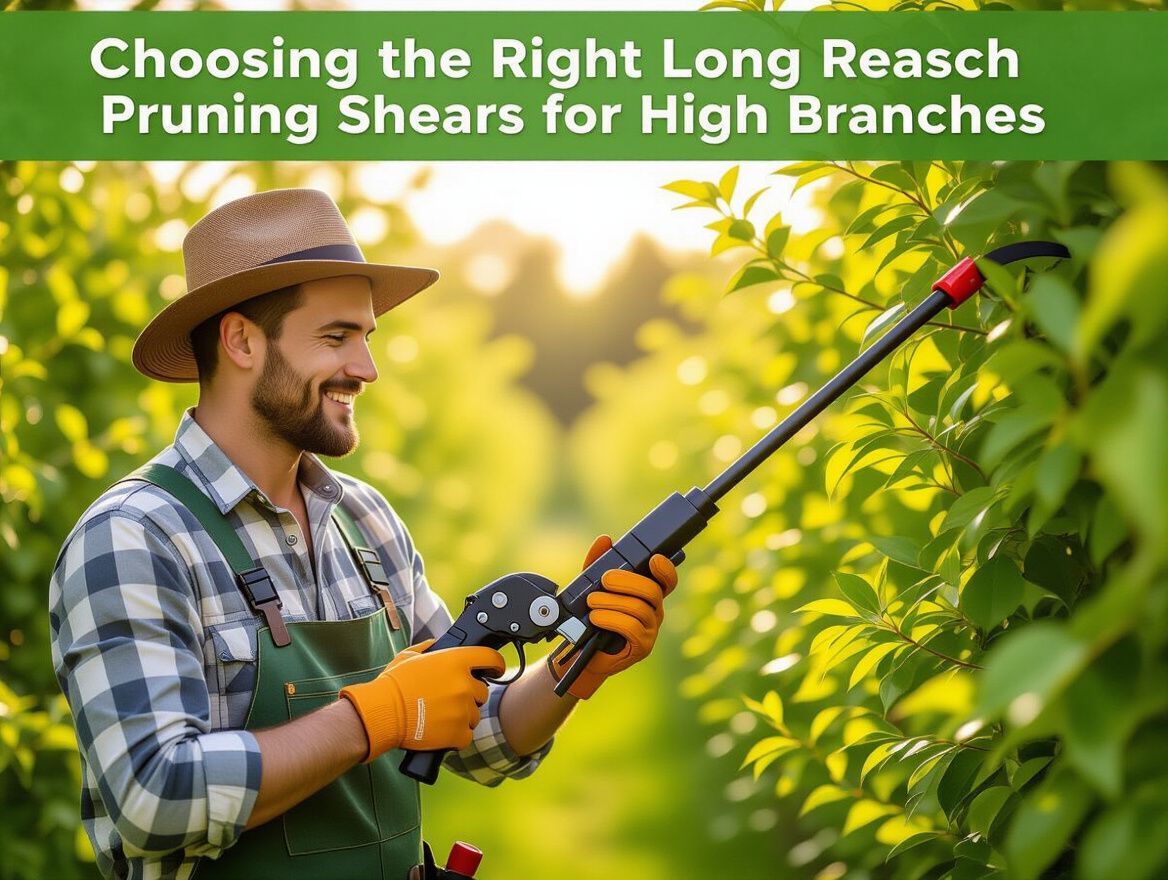
Choosing the Right Long Reach Pruning Shears for High Branches
Understanding Long Reach Pruning Shears
Long reach pruning shears are specialized gardening tools designed to help you prune high branches and hard-to-reach areas without the need for a ladder. These shears typically feature an extended handle that can range from a few feet to several feet in length, allowing gardeners to safely trim overhead foliage, dead wood, and other growth without compromising their safety or stability.
Common Uses in Gardening and Landscaping
- Tree Maintenance: Ideal for trimming branches that are too high to reach comfortably, reducing the risk of injury.
- Shrub Care: Useful for shaping and maintaining tall shrubs, ensuring a neat and healthy appearance.
- Orchard Management: Essential for pruning fruit trees, promoting better air circulation and sunlight penetration, which can enhance fruit production.
When selecting long reach pruning shears, consider your specific gardening needs. Factors such as the height of your plants, the thickness of branches you plan to cut, and your physical comfort while using the tool can significantly influence your choice. Understanding these elements will help you choose the best long reach pruning shears for your gardening tasks.
Key Buying Criteria for Long Reach Pruning Shears
When selecting long reach pruning shears, it's crucial to evaluate several essential features that will determine their effectiveness and suitability for your gardening needs. Here’s a checklist to guide your decision-making process:
-
Length and Reach Capabilities:
- Assess the overall length of the shears, including the extended reach. Longer handles can help you access higher branches without the need for ladders, enhancing safety and efficiency.
- Consider adjustable models that allow you to customize the length based on your specific needs.
-
Blade Material and Sharpness:
- Look for high-quality materials such as stainless steel or carbon steel, which offer durability and resistance to rust.
- Ensure that the blades are sharp and designed for clean cuts, as this minimizes damage to plants and promotes healthier growth.
-
Weight and Ease of Use:
- Lightweight shears reduce fatigue during extended use, making them easier to handle, especially when reaching overhead.
- Evaluate the balance of the shears; a well-balanced tool can make pruning less strenuous and more controlled.
-
Handle Design and Comfort:
- Ergonomic handles can significantly impact comfort during use. Look for grips that fit comfortably in your hand and provide good traction.
- Some models feature padded or non-slip grips, which can enhance control and reduce hand strain during longer pruning sessions.
By considering these criteria, gardeners can make informed decisions that align with their specific pruning tasks and preferences, ultimately leading to a more effective and enjoyable gardening experience.
Understanding Trade-offs and Risks
When selecting long reach pruning shears, it's essential to weigh the trade-offs and potential risks associated with their use. These tools can help you reach high branches, but they come with specific limitations that can impact your gardening experience.
-
Balance Between Length and Maneuverability: Longer shears provide additional reach but can be more cumbersome to handle. This added length may hinder precision when making cuts, especially in tight spaces. Consider your typical pruning scenarios to ensure you choose a length that balances reach with ease of use.
-
Durability Concerns with Different Materials: Long reach pruning shears are often made from various materials, including aluminum, steel, and composite options. While lightweight materials can ease fatigue during use, they may not offer the same durability as heavier steel alternatives. Assess how frequently you will use the shears and for what types of branches to determine the material that best suits your needs.
-
Potential for Fatigue During Extended Use: Prolonged use of long reach pruning shears can lead to fatigue, particularly if the tools are heavy or poorly balanced. Look for ergonomic designs that distribute weight evenly and consider features like padded grips to enhance comfort during extended pruning sessions.
By understanding these trade-offs and risks, you can make a more informed decision when selecting the right long reach pruning shears for your gardening tasks.
Assessing Fit for Your Gardening Needs
Choosing the right long reach pruning shears involves a careful assessment of your specific gardening needs. By evaluating factors such as garden size, branch heights, and the types of pruning tasks you'll undertake, you can ensure that your shears will serve you effectively.
-
Garden Size and Branch Heights: Consider the dimensions of your garden and the height of the branches you need to prune. Longer reach shears typically extend between 6 to 12 feet, so measure your tallest branches to determine the necessary length. If your garden has a mix of low and high branches, adjustable or telescoping models may offer the best versatility.
-
Specific Pruning Tasks: Identify the types of plants you will be pruning. For instance, if you're primarily working with trees, you may need shears designed for thicker branches. Conversely, if you’re focusing on shrubs or delicate plants, lighter, more precise shears might be more appropriate. Understanding the specific tasks will help narrow down your options.
-
Frequency of Use and Storage: Consider how often you plan to use the shears. If they will be a regular part of your gardening routine, durability and ease of handling become significant factors. Additionally, think about storage options; some long reach pruning shears can be cumbersome to store. Models that can be disassembled or have a compact design may be beneficial for smaller spaces.
By taking these factors into account, you can better assess which long reach pruning shears will fit your gardening needs, ensuring you select a tool that enhances your gardening experience while minimizing the risk of purchasing an ill-suited product.
Frequently Asked Questions About Long Reach Pruning Shears
What problems do long reach pruning shears solve?
Long reach pruning shears are designed to address the challenge of reaching high branches without the need for ladders or scaffolding. This tool significantly reduces the risk of accidents while providing gardeners with the ability to prune hard-to-reach areas effectively. Some common problems they solve include:
- Safety Concerns: Minimizing the need for climbing or balancing on unstable surfaces.
- Accessibility: Allowing gardeners to maintain tall trees and shrubs that would otherwise be difficult to prune.
- Efficiency: Enabling quicker pruning tasks by extending reach without compromising on cutting power.
How do I maintain my long reach pruning shears?
Proper maintenance is essential to ensure the longevity and effectiveness of your long reach pruning shears. Here are some key maintenance tips:
- Clean After Use: Wipe down the blades with a damp cloth to remove sap and debris.
- Sharpen Blades Regularly: Keep the blades sharp to ensure clean cuts, which promotes plant health.
- Check for Damage: Regularly inspect the shears for any signs of wear or damage, particularly in the extending mechanism.
- Lubricate Moving Parts: Apply a light oil to the pivot points to keep the shears operating smoothly.
Are there alternatives to long reach pruning shears?
Yes, while long reach pruning shears are effective, there are alternatives that may suit specific needs or preferences:
- Ladders and Manual Pruners: For those comfortable with heights, a ladder combined with traditional pruning shears can be a viable option.
- Pole Saws: These are more robust tools designed for cutting thicker branches, offering a longer reach for heavier tasks.
- Electric Pruners: For those seeking power and efficiency, electric pruning tools can reduce physical strain, although they may not always offer the same reach as long reach shears.
Considering your garden's specific requirements, the conditions you work in, and your personal comfort with height will guide your choice in pruning tools.
Final Thoughts on Choosing Long Reach Pruning Shears
Selecting the right long reach pruning shears is crucial for effective gardening, especially when dealing with hard-to-reach branches. The right tool can enhance your gardening efficiency and ensure that your plants are pruned correctly, promoting healthier growth.
As you reflect on your gardening needs, consider the following factors:
- Reach and Length: Assess how high you need to prune and choose shears that provide adequate reach without compromising control.
- Weight and Maneuverability: Heavier tools can be more difficult to handle over extended periods. Look for a balance between sturdiness and ease of use.
- Cutting Mechanism: Different shears utilize various cutting mechanisms (bypass vs. anvil), which can affect performance based on the type of branches you typically encounter.
- Adjustability: Some models offer adjustable lengths, which can be beneficial for varied pruning tasks.
Before making a decision, weigh the trade-offs of each option. Consider potential risks, such as safety concerns when using long tools or the difficulty in achieving precise cuts. Taking the time to evaluate your specific gardening tasks will help you find the most suitable long reach pruning shears for your needs.