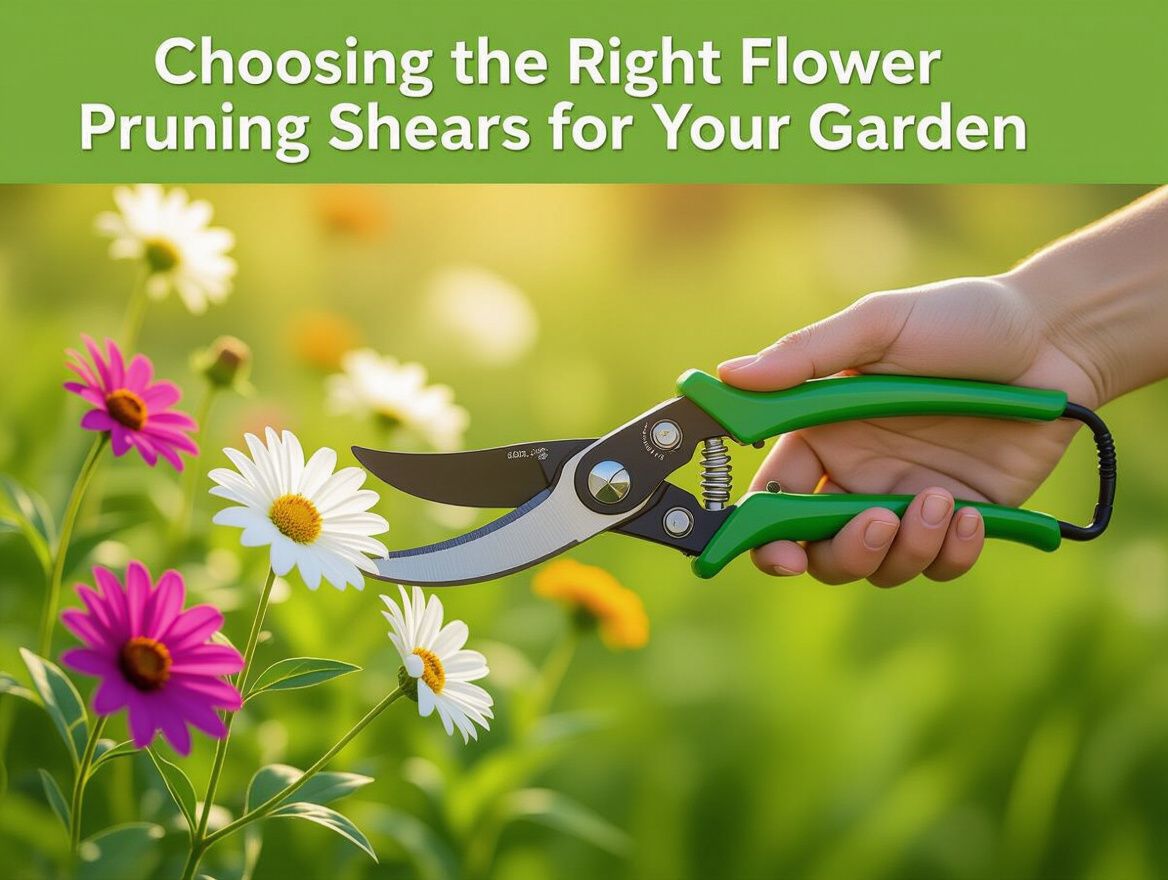
Choosing the Right Flower Pruning Shears for Your Garden
Understanding Flower Pruning Shears and Their Importance
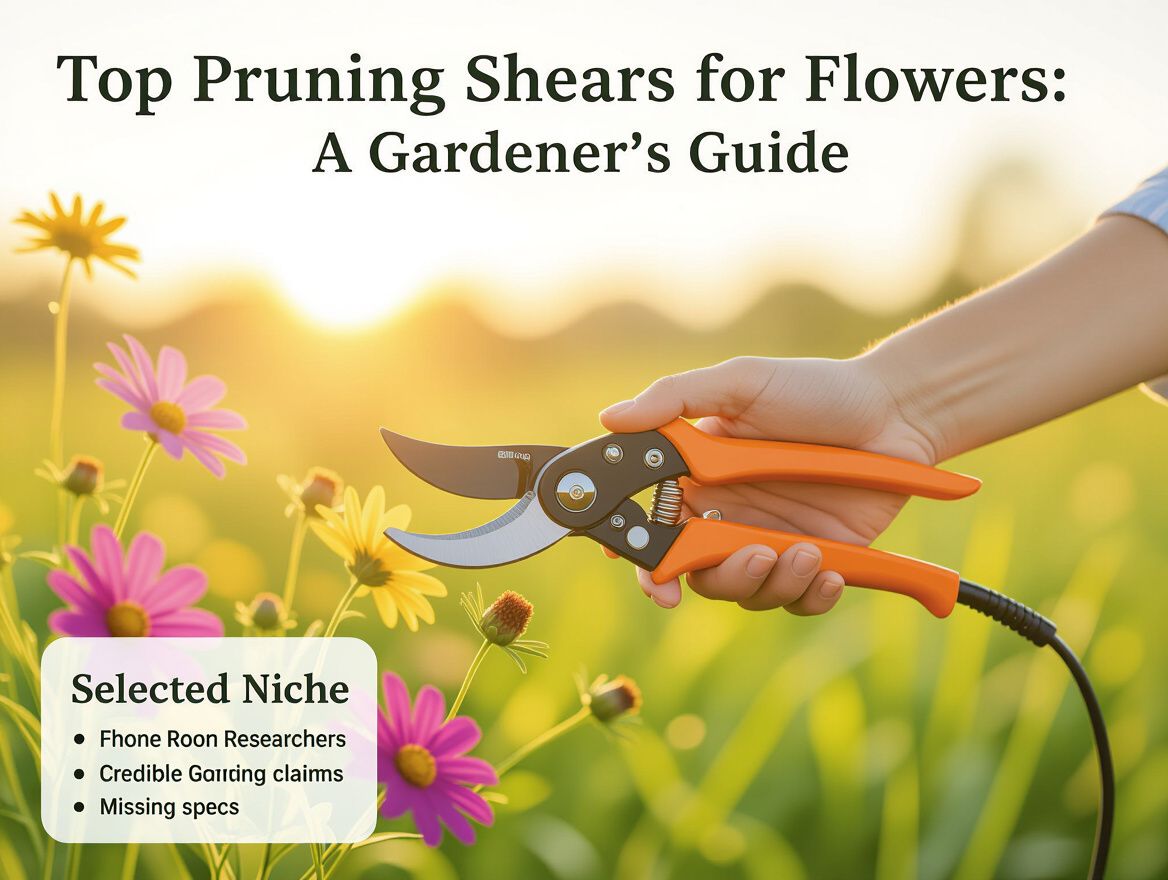
Flower pruning shears are specialized gardening tools designed to facilitate the precise trimming and shaping of flowering plants. Unlike general-purpose shears, these tools typically feature sharp, narrow blades that allow for clean cuts, minimizing damage to delicate stems and promoting healthy growth.
Selecting the right flower pruning shears is crucial for several reasons:
- Plant Health: Using appropriate shears reduces the risk of tearing or crushing stems, which can lead to disease and hinder growth.
- Efficiency: The right tool makes it easier to achieve desired shapes and sizes, allowing gardeners to work more effectively and enjoyably.
- Comfort and Control: Well-designed shears can significantly reduce hand fatigue, making it easier to prune for extended periods.
When choosing flower pruning shears, consider the following criteria to ensure you select a tool that best fits your gardening style and needs:
- Blade Type: Bypass blades are ideal for live plants, while anvil blades are better suited for dead wood.
- Handle Design: Ergonomic handles can improve comfort and grip, especially for prolonged use.
- Cutting Capacity: Assess the maximum branch size you will be pruning to ensure the shears can handle your tasks.
Understanding these aspects will help you make an informed decision, ultimately enhancing your gardening experience and the health of your flowers.
Key Criteria for Selecting Flower Pruning Shears
When choosing flower pruning shears, it's essential to evaluate several key factors to ensure you select a tool that meets your specific gardening needs. Here’s a checklist to guide your decision-making process:
-
Blade Material and Sharpness: Look for high-carbon steel or stainless steel blades, as these materials provide durability and maintain sharpness longer. A sharp blade is crucial for clean cuts, which promote healthy plant growth.
-
Handle Design and Comfort: Ergonomic handles can significantly reduce hand fatigue during extended use. Consider whether you prefer a soft grip for comfort or a rigid handle for precision control. Additionally, check if the shears have a locking mechanism for safe storage.
-
Weight and Balance for Ease of Use: The weight of the shears should feel comfortable in your hand, especially when working on larger pruning tasks. A well-balanced tool allows for more controlled and less tiring operation, which is particularly important for repetitive tasks.
-
Types of Cuts They Can Make: Different shears are designed for various cutting techniques. Assess whether you need shears for snipping delicate flowers or cutting thicker stems. Some shears offer bypass blades for more precise cuts, while anvil blades are better for tougher, woody stems.
By considering these criteria, you can better navigate the options available and choose flower pruning shears that will enhance your gardening experience.
Understanding the Trade-offs in Pruning Shears
When selecting flower pruning shears, understanding the trade-offs between different types can significantly impact your gardening experience. The two main categories to consider are bypass shears and anvil shears, each with its own advantages and drawbacks.
Bypass vs. Anvil Shears
-
Bypass Shears: These shears operate like scissors, with two blades that slide past each other. They are ideal for making clean cuts on live flowers and stems, which helps promote healthy plant growth. However, they may not perform as well on harder, dead wood.
-
Anvil Shears: Featuring a single sharp blade that cuts against a flat surface, anvil shears are better suited for cutting through tougher, dead branches. While they can crush live stems, which may lead to plant damage, they excel in providing the leverage needed for tougher tasks.
Durability vs. Cost Considerations
-
Durability: Investing in high-quality materials, such as stainless steel blades and robust handles, increases the lifespan of your shears. However, this often comes at a higher price point.
-
Cost: While budget options may seem appealing, they often lack the durability and precision of more expensive models. Weighing the upfront cost against long-term use and replacement frequency is crucial when making your decision.
Versatility Against Specialization
-
Versatility: Some shears are designed to handle a variety of tasks, making them a good choice for general gardening needs. These tools can save you money and storage space but may not perform as well in specialized tasks.
-
Specialization: If you frequently work with specific types of plants or pruning tasks, investing in specialized shears can lead to better results. However, this may limit your tool's overall utility for other gardening tasks.
By carefully considering these trade-offs, you can select flower pruning shears that best meet your gardening needs while ensuring effective care for your plants.
Potential Risks and Caveats of Flower Pruning Shears
Selecting the right flower pruning shears is crucial for maintaining a healthy garden, but there are several risks and pitfalls that gardeners should be aware of to avoid costly mistakes.
-
Using Dull or Inappropriate Shears: Dull blades can lead to jagged cuts, which may harm plants and invite disease. It's essential to choose shears that are specifically designed for flower pruning, as using tools meant for heavier tasks can damage delicate blooms.
-
Injury Risks from Improper Handling: Pruning shears can be hazardous if not handled correctly. Improper grip or lack of attention during use can lead to cuts or accidents. Always ensure that the shears are in good working condition and use proper techniques when pruning.
-
Maintenance Needs for Longevity: Regular maintenance is vital for ensuring the longevity of your pruning shears. This includes cleaning the blades after each use, sharpening them periodically, and lubricating moving parts. Neglecting these tasks can lead to decreased performance and a shorter lifespan for your tools.
By being aware of these risks and taking proactive measures, gardeners can enhance their pruning experience and ensure their flower shears remain effective and safe for years to come.
Finding the Right Fit for Your Gardening Needs
Selecting the appropriate flower pruning shears requires evaluating your specific gardening tasks and personal preferences. Here are key factors to consider:
-
Types of Flowers: Different flowers have varying stem thicknesses and growth habits. For delicate flowers like roses or dahlias, bypass shears are often preferred for their clean cuts. In contrast, thicker-stemmed flowers may require anvil shears for more substantial leverage.
-
Garden Size and Personal Strength: If you have a larger garden, consider lightweight shears that minimize fatigue during extended use. For those with strength limitations, ergonomic handles can provide a more comfortable grip and reduce strain.
-
Frequency of Use and Storage Needs: Assess how often you plan to use the shears. Frequent users may benefit from durable, high-quality options, while occasional gardeners might prioritize affordability. Additionally, consider storage space; compact shears are easier to store and transport.
By matching your pruning shears to these criteria, you can enhance your gardening experience and ensure effective flower care.
Frequently Asked Questions About Flower Pruning Shears
When considering flower pruning shears, potential buyers often have specific questions that can influence their purchasing decisions. Here are some common queries and their answers:
What materials are best for flower pruning shears?
The best materials for flower pruning shears typically include high-carbon steel and stainless steel. High-carbon steel is known for its sharpness and ability to retain an edge, making it ideal for clean cuts. Stainless steel, while slightly less sharp, offers excellent rust resistance, which is crucial for tools exposed to moisture. Both materials provide durability, but your choice may depend on the specific gardening conditions you encounter.
How do I maintain my shears for optimal performance?
To maintain your flower pruning shears, follow these essential steps:
- Clean After Use: Wipe the blades with a damp cloth to remove sap and debris. This prevents buildup that can hinder performance.
- Sharpen Regularly: Use a sharpening stone or file to keep the blades sharp. A sharp blade ensures clean cuts, reducing the risk of damaging plants.
- Oil the Joints: Apply a few drops of oil to the pivot point to ensure smooth operation. This reduces friction and prolongs the life of the shears.
- Store Properly: Keep your shears in a dry place, preferably in a protective sheath or case, to prevent rust and accidental damage.
Can I use flower pruning shears for other gardening tasks?
While flower pruning shears are specifically designed for delicate tasks, they can also be used for other gardening activities, such as:
- Trimming Small Branches: They can handle minor pruning tasks on small branches, making them versatile.
- Deadheading Flowers: Ideal for removing spent blooms without damaging the plant.
- Shaping Foliage: Useful for maintaining the shape of smaller shrubs and plants.
However, for larger or tougher branches, it’s advisable to use more robust tools like loppers or hedge shears to avoid damaging your flower pruning shears and ensure effective cutting.
Final Thoughts on Choosing Flower Pruning Shears
Selecting the right flower pruning shears is a critical decision for any gardener dedicated to maintaining vibrant and healthy blooms. As we've discussed, the effectiveness of your pruning can significantly impact not only the aesthetics of your garden but also the overall health of your plants.
Before making your purchase, consider these vital points:
-
Assess Your Gardening Style: Different gardening approaches may require specific features in shears. For instance, if you frequently prune delicate flowers, opt for shears with bypass blades that minimize damage.
-
Evaluate Your Physical Comfort: The design and weight of the shears should align with your physical capabilities and preferences. Ergonomic handles can make a substantial difference during long pruning sessions.
-
Understand Your Plant Varieties: Different flowers may have varied pruning needs. Ensure the shears you choose are suitable for the specific types of flowers you are cultivating.
By reflecting on these factors, you can confidently select flower pruning shears that will enhance your gardening experience. Remember, the right tool not only makes your tasks easier but also contributes to the health and beauty of your garden.