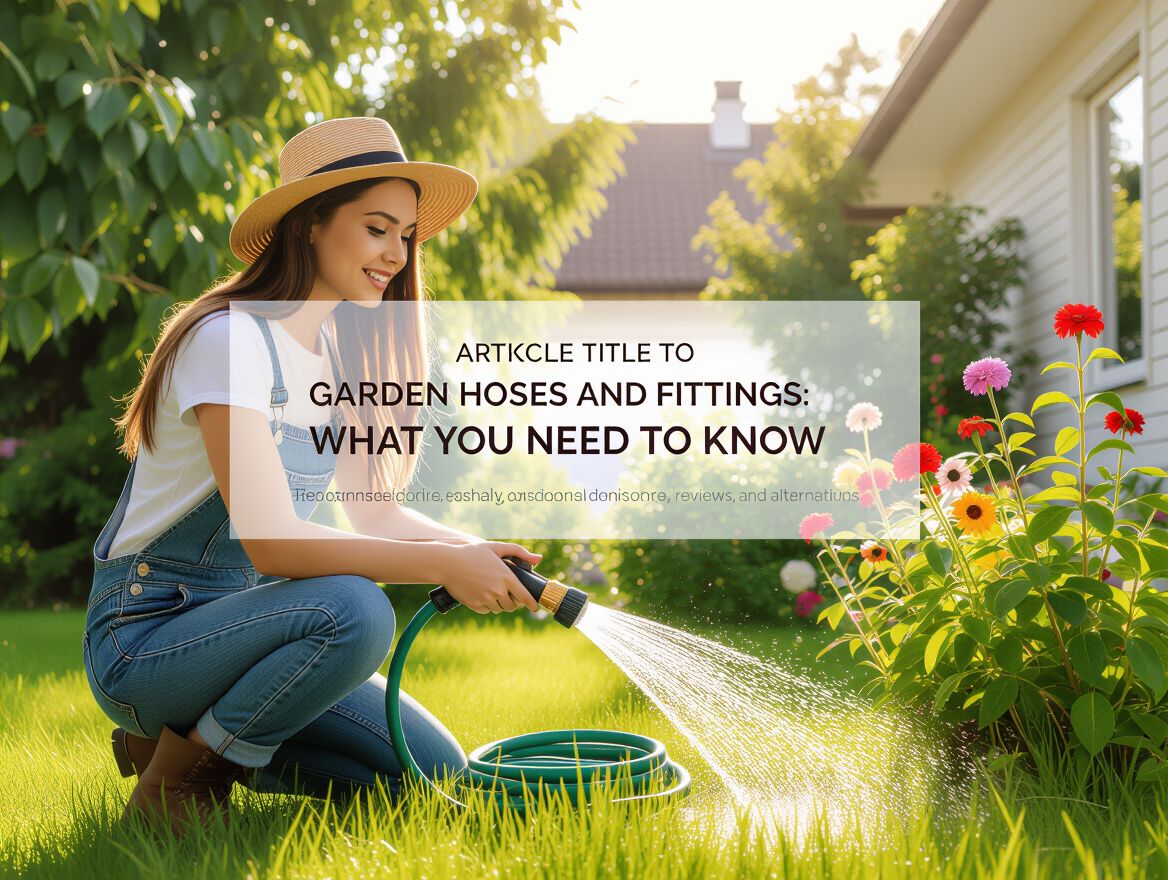
A Guide to Garden Hoses and Fittings: What You Need to Know
Understanding Garden Hoses and Fittings
Garden hoses and fittings are essential components for effective gardening, playing a pivotal role in watering plants, cleaning outdoor spaces, and more. A garden hose serves as the conduit through which water flows, while fittings are the connectors that ensure a secure fit between the hose and various watering tools or attachments.
Key Roles in Gardening Tasks:
- Watering: Hoses facilitate the delivery of water to plants, ensuring they receive adequate moisture.
- Cleaning: Hoses can be used for washing garden tools, patios, and vehicles, making outdoor maintenance easier.
- Versatility: With the right fittings, hoses can connect to sprinklers, nozzles, and other equipment, expanding their utility.
Importance of Compatibility:
The relationship between hoses and fittings is crucial for optimal performance. Ensuring compatibility between the hose diameter and fitting size can prevent leaks and ensure a steady water flow. Here are some considerations for compatibility:
- Diameter Matching: Common hose sizes include 1/2 inch, 5/8 inch, and 3/4 inch; fittings must match these dimensions.
- Material Considerations: Different materials (e.g., brass, plastic) can impact durability and flexibility; choose fittings that complement your hose material.
- Thread Types: Check for standard thread types (e.g., GHT - Garden Hose Thread) to ensure a proper connection.
By understanding the interplay between garden hoses and fittings, home gardeners and DIY enthusiasts can make informed decisions that enhance their gardening experience.
Essential Features of Garden Hoses
When selecting garden hoses and fittings, understanding the essential features is critical for achieving optimal performance. Here’s a checklist to guide your decision-making process:
-
Length and Diameter:
- Choose a hose length based on your garden size. Longer hoses can reach distant areas but may be heavier and harder to manage.
- The diameter affects water flow; wider hoses (e.g., 3/4 inch) deliver more water but can be bulkier.
-
Material:
- Rubber: Generally more durable and resistant to kinks and abrasions. Ideal for heavy-duty use.
- Vinyl: Lighter and often more affordable, but may not withstand harsh conditions as well as rubber.
-
Durability and Flexibility:
- Look for hoses that can withstand temperature changes and UV exposure. A flexible hose is easier to maneuver and store, but ensure it maintains durability over time.
-
Weight and Ease of Handling:
- Consider the weight of the hose, especially if you need to lift it frequently. A lighter hose can be easier to handle but may sacrifice some durability.
These features not only affect the performance of your garden hoses and fittings but also influence your overall gardening experience. Balancing these criteria with your specific gardening needs will help you make an informed decision.
Understanding Hose Fittings: Types and Uses
When selecting garden hoses and fittings, understanding the various types of fittings and their specific applications is crucial for optimal performance. Fittings serve as the connectors between hoses and water sources or attachments, and their correct selection can dramatically influence water flow, pressure, and overall efficiency in your gardening tasks.
Types of Fittings
-
Connectors: These are used to join two hoses together or to connect a hose to a water source. Standard connectors are typically made of plastic or metal and come in various sizes to fit different hose diameters.
-
Adapters: Adapters are designed to connect hoses with different diameters or threads. This is particularly useful if you have multiple hoses or fittings that do not match.
-
Quick Connects: These fittings allow for fast and easy attachment and detachment of hoses and accessories, making them ideal for gardeners who frequently switch tools.
Impact on Water Flow and Pressure
The type of fitting you choose can significantly affect water flow and pressure. For example, a fitting that is too small for the hose diameter can restrict water flow, leading to reduced pressure and inefficient watering. Conversely, fittings that are too large may lead to leaks and pressure loss. Ensure that the fittings match the hose specifications for optimal performance.
Compatibility with Hose Types
Different hose types—such as rubber, vinyl, or expandable—may require specific fittings. It's essential to check the compatibility of your fittings with the hose material and diameter. Some fittings are designed to work seamlessly with particular hose types, ensuring a secure connection that minimizes the risk of leaks or bursts.
Considerations for Selection
- Material: Choose fittings made from durable materials such as brass or high-quality plastic to withstand outdoor conditions.
- Size: Ensure that the fittings match the hose diameter to avoid flow issues.
- Functionality: Consider how often you will need to connect and disconnect hoses; quick-connect fittings may save time and effort.
Understanding these aspects of hose fittings will help you make informed decisions, ensuring that your garden hoses and fittings work together effectively for your gardening needs.
Comparing Hose Materials: Pros and Cons
When selecting garden hoses and fittings, the material of the hose plays a crucial role in its performance, durability, and overall user experience. Understanding the advantages and disadvantages of different hose materials can help you make an informed decision that best suits your gardening needs.
Rubber Hoses vs. Vinyl Hoses
-
Rubber Hoses:
- Advantages:
- High durability and resistance to wear and tear.
- Less prone to kinking and tangling, which enhances usability.
- Better performance in extreme temperatures, maintaining flexibility in cold weather.
- Disadvantages:
- Typically more expensive than vinyl options.
- Heavier, which may make handling more cumbersome for some users.
- Advantages:
-
Vinyl Hoses:
- Advantages:
- Lightweight and easy to handle, making them ideal for casual gardeners.
- Generally more affordable, appealing to budget-conscious buyers.
- Disadvantages:
- Prone to kinking and may not withstand extreme weather conditions as well as rubber.
- Shorter lifespan compared to rubber, leading to potential replacement costs over time.
- Advantages:
Expandable Hoses vs. Traditional Hoses
-
Expandable Hoses:
- Advantages:
- Compact and lightweight, making them easy to store and transport.
- Expands when filled with water, allowing for greater reach without the bulk.
- Disadvantages:
- May be more susceptible to punctures and leaks due to their design.
- Performance can vary based on water pressure; may not be suitable for high-pressure applications.
- Advantages:
-
Traditional Hoses:
- Advantages:
- Generally more robust and can handle a variety of gardening tasks effectively.
- Provides consistent water flow, regardless of pressure changes.
- Disadvantages:
- Bulkier and heavier, which can complicate storage and handling.
- Requires more effort to coil and store properly.
- Advantages:
Cost-Effectiveness and Longevity
When evaluating cost-effectiveness, consider the initial purchase price against the hose's longevity and maintenance needs. While rubber hoses may have a higher upfront cost, their durability can lead to lower long-term expenses due to fewer replacements. Conversely, vinyl hoses and expandable options may save you money initially but could require more frequent replacements, impacting overall value.
Understanding these trade-offs will empower you to select the right garden hose and fittings that align with your gardening style and preferences, ensuring optimal performance for your tasks.
Common Pitfalls When Choosing Hoses and Fittings
Selecting the right garden hoses and fittings is crucial for ensuring optimal performance in your gardening tasks. However, several pitfalls can compromise your investment and lead to frustrating experiences. Here are key issues to be mindful of:
-
Incompatibility Between Hoses and Fittings: Not all hoses and fittings are universally compatible. It's essential to check the diameter and threading specifications. Mismatched sizes can lead to leaks and reduced water flow, undermining your garden's irrigation needs.
-
Durability Concerns with Low-Quality Materials: Many budget options may appear attractive but can be made from inferior materials that degrade quickly. Low-quality hoses can kink, crack, or burst under pressure, while cheap fittings may corrode or break, leading to costly replacements.
-
Misleading Marketing Claims: Be wary of marketing language that exaggerates the benefits of certain products. Claims about "unbreakable" hoses or "lifetime" fittings can often be misleading. Always look for consumer reviews and product specifications to verify performance claims.
Understanding these pitfalls will help you make informed decisions when purchasing garden hoses and fittings, ensuring that you choose reliable products that meet your gardening needs effectively.
Frequently Asked Questions About Garden Hoses and Fittings
Understanding garden hoses and fittings can be complex, especially for home gardeners and DIY enthusiasts. Here are some common questions that can help guide your purchasing decisions.
What is the best length for a garden hose?
The ideal length for a garden hose typically ranges from 25 to 100 feet, depending on your garden size and layout. Consider the following:
- Smaller Gardens: A 25 to 50-foot hose may suffice, providing easy maneuverability without tangling.
- Larger Yards: For expansive spaces, a 75 to 100-foot hose offers flexibility to reach distant plants or garden beds.
- Trade-offs: Longer hoses can be heavier and harder to manage, while shorter hoses may require frequent repositioning.
How do I maintain my garden hose?
Proper maintenance can extend the life of your garden hose. Here are some essential tips:
- Cleaning: Rinse the hose after use to remove dirt and debris. This helps prevent buildup that can lead to clogs.
- Storage: Store your hose in a cool, dry place, preferably coiled to avoid kinks. Consider using a hose reel for organization.
- Inspection: Regularly check for leaks or cracks. Early detection can save you from costly replacements.
What fittings do I need for a standard garden hose?
Fittings are crucial for connecting your hose to water sources and attachments. Common fittings include:
- Hose Connectors: These allow you to attach the hose to a faucet. Ensure they match your hose diameter, usually 3/4 inch or 5/8 inch.
- Adapters: If you need to connect hoses of different sizes or to irrigation systems, adapters are essential.
- Nozzles: Choose a nozzle that fits your watering needs, from adjustable spray patterns to high-pressure options.
By addressing these FAQs, you can make informed decisions about garden hoses and fittings that best suit your gardening needs.
Making the Right Choice for Your Gardening Needs
In summary, selecting the right garden hoses and fittings is essential for ensuring efficient gardening. Here are the key points to consider as you make your decision:
-
Compatibility: Ensure that your hose fittings match the hose type and size you choose. Mismatched fittings can lead to leaks and reduced water flow, undermining your gardening efforts.
-
Critical Features: Focus on the essential features such as length, diameter, material, and weight. Each of these factors plays a crucial role in how well your hose will perform in your specific gardening tasks.
-
Assess Your Needs: Take a moment to evaluate your gardening environment. Consider factors like the size of your garden, the types of plants you are tending to, and how often you will need to move the hose. This assessment will help you determine the right specifications for your hoses and fittings.
By considering these elements, you can make an informed choice that enhances your gardening experience. Remember, the right combination of hoses and fittings can improve efficiency and make your gardening tasks more enjoyable.